


Key Takeaways
- The competition for acquiring ‘battle-proven’ systems is creating franchise models for drone transfers through Non-State Actors (NSAs) as intermediaries across new theaters.
- A myriad of cheap drone innovations are expected out of NSAs’ widespread adoption of weaponized drones. Fluid knowledge-sharing networks on open-source platforms will ensure that use cases specific to one region can be easily and quickly transposed to other areas without physical links.
- A decentralized & dynamic model of drone innovations helmed by NSAs will provide unfair advantages to patron states against those relying on development cycles of legacy systems, lacking agility and cross-functionality.
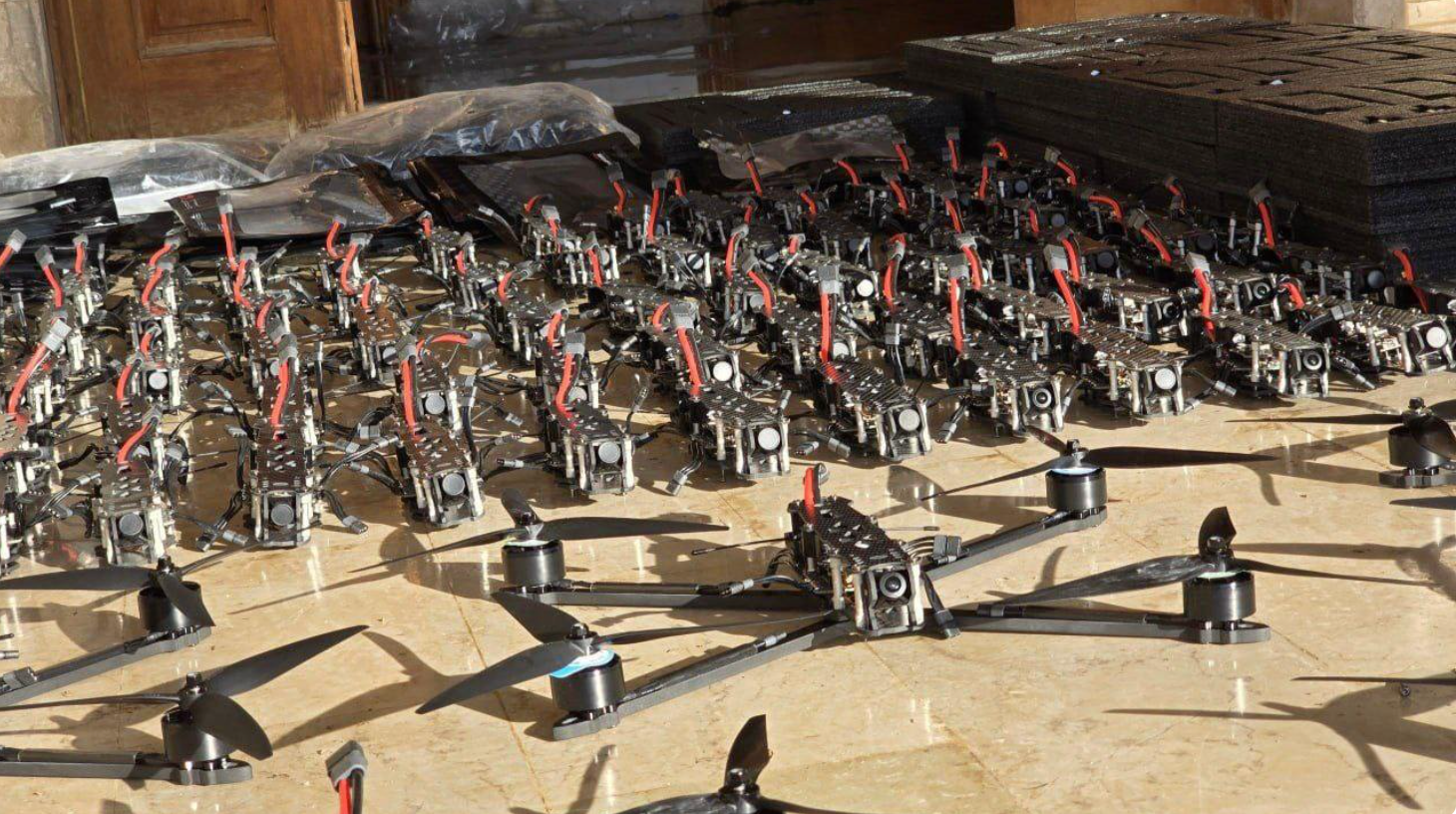
Non-state proxies are becoming the most efficient beta-testers for drones. The need for “combat-proven” drones and battlefield data has triggered an influx of prototypes and advanced drone technology in emerging conflict theaters, ranging from the Sahel in Africa to the Golden Triangle in Southeast Asia. At the helm of this Operational Testing & Evaluation (OT&E) model—traditionally the domain of defence contractors and military proving grounds—are non-state actors using drones to offset battlefield asymmetries and explore new use cases for their patrons at minimal costs.
As technology is tested beyond a lab’s controlled environment, field knowledge becomes more fluid, and problems are addressed ahead of time. For the makers of these drones, battle-tested systems become valuable in ensuring a steady supply of clientele seeking weapons capable of winning modern wars of attrition.
The H3 Nexus of Drone Innovations
While the idea of offloading pilot testing is not new, it is certainly at the brink of witnessing an exponential growth, whether direct or indirect. Take the case of Iranian-backed armed groups in the Middle East that have catalyzed technological and operational innovations in the country’s defence industry. The Houthis, Hezbollah, Hamas (collectively known as “The H3”), and other Shiite militias in the region have extensively fielded Iranian UAVs and, now Commerical Off-The-Shelf (COTS) priced almost 2-5% of their Western equivalents.
These proxies have functioned as highly resilient conduits for real-time intelligence and combat data straight from conflict zones to Iranian labs, where experts iterate for consistent technological improvements. This consistent innovation in UAV technology has enabled Iran to clinch a competitive market segment in global arms exports, especially among countries with poor human rights records and limited defence budgets.
Generally, prevailing geopolitical and economic priorities govern the choice of UAVs supplied to the proxies. Hezbollah initially acquired Iranian reconnaissance UAVs in 2004, focusing on ISR operations in Israel, and later deployed advanced weaponized UAVs in 2014. This supply evolution, from reconnaissance to combat UAVs, directly correlates with maturation cycles in Iran's defence industrial base.
Each proxy deployment phase corresponded to Iran achieving specific technological milestones, creating a synchronized pattern of capability transfer and field validation. With every strike informing the feedback loop, proxies provide crucial information on deployed UAVs through first-hand combat experiences and observations, sometimes directly to on-ground Iranian scientists. Proactive user feedback and functionality testing of drones have become the backbone of optimized problem-solving for these actors.
Proxies as Operational Testers
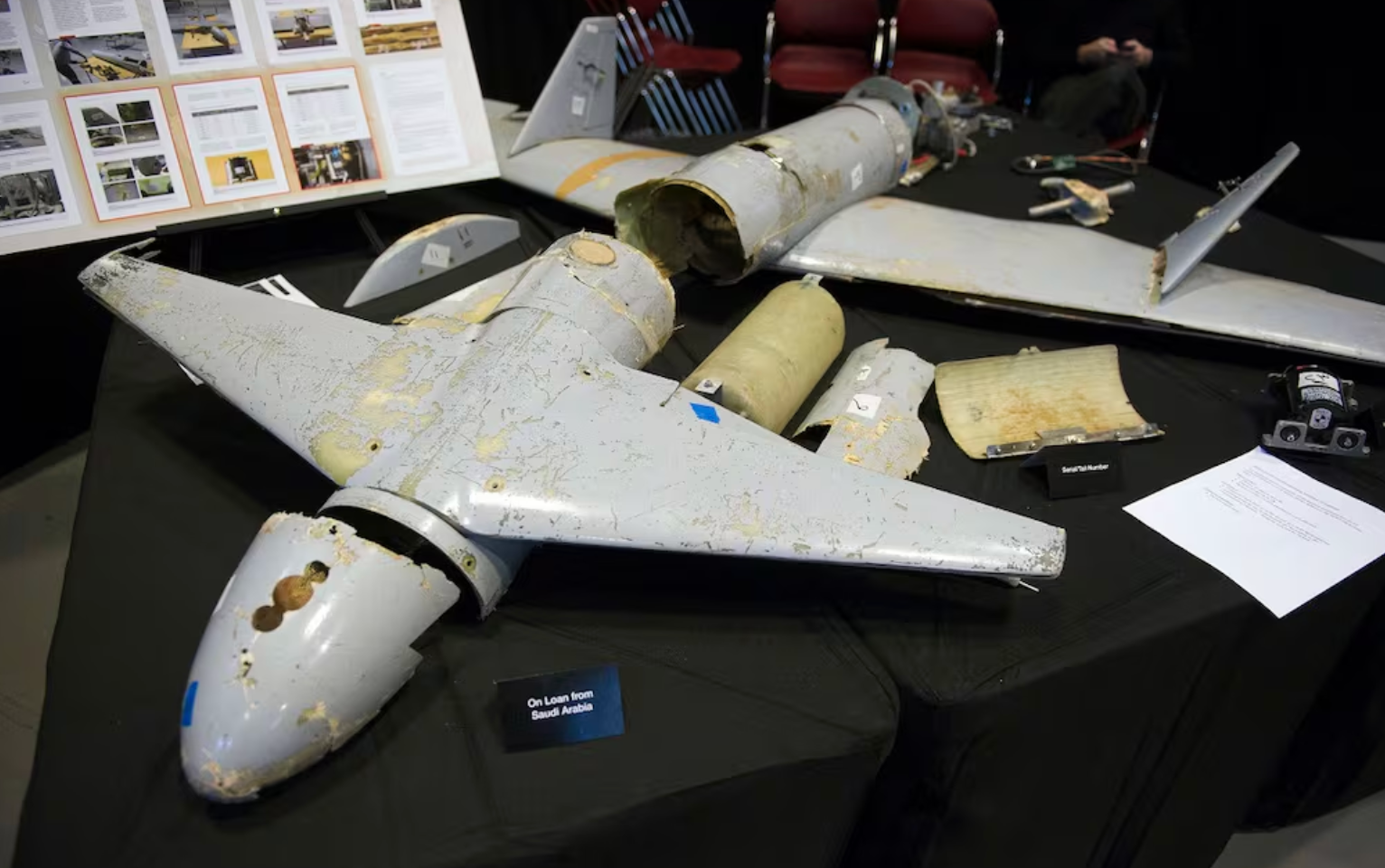
Proxy operations serve dual intelligence functions: (A) Validating Iranian systems against Western systems; (B) Acquiring advanced technology for indigenous prototyping. Captured systems often provide reverse-engineering blueprints, with the Iranian Shahed-171 and Shahed-191 being functionally identical to the U.S. RQ-170 and MQ-1C. Technology appropriation, in such cases, transcends boundaries as Intellectual Property (IP) becomes a coveted commodity sold among allies. On the production front, reverse engineering drastically compresses development timelines and saves hundreds of millions in R&D costs.
The aim is to use these ‘tester UAVs’ against expensive and advanced Western technology to gauge performance gaps and loopholes. Proxies aim to capture Western technologies to reverse-engineer complex UAV models to replicate or prototype future technological innovations. Both Iranian Shahed-171 and 191 are virtually identical to their American equivalents. Shifts in regional politics exacerbate this problem of ‘stolen’ technologies. Open-source reports suggest that the Taliban may have granted Iran access to or sold American equipment after the US forces withdrew in 2020. With no political accountability, areas under proxies’ control have become suitable ‘labs’ for testing and advertising the latest UAVs to other potential buyers.
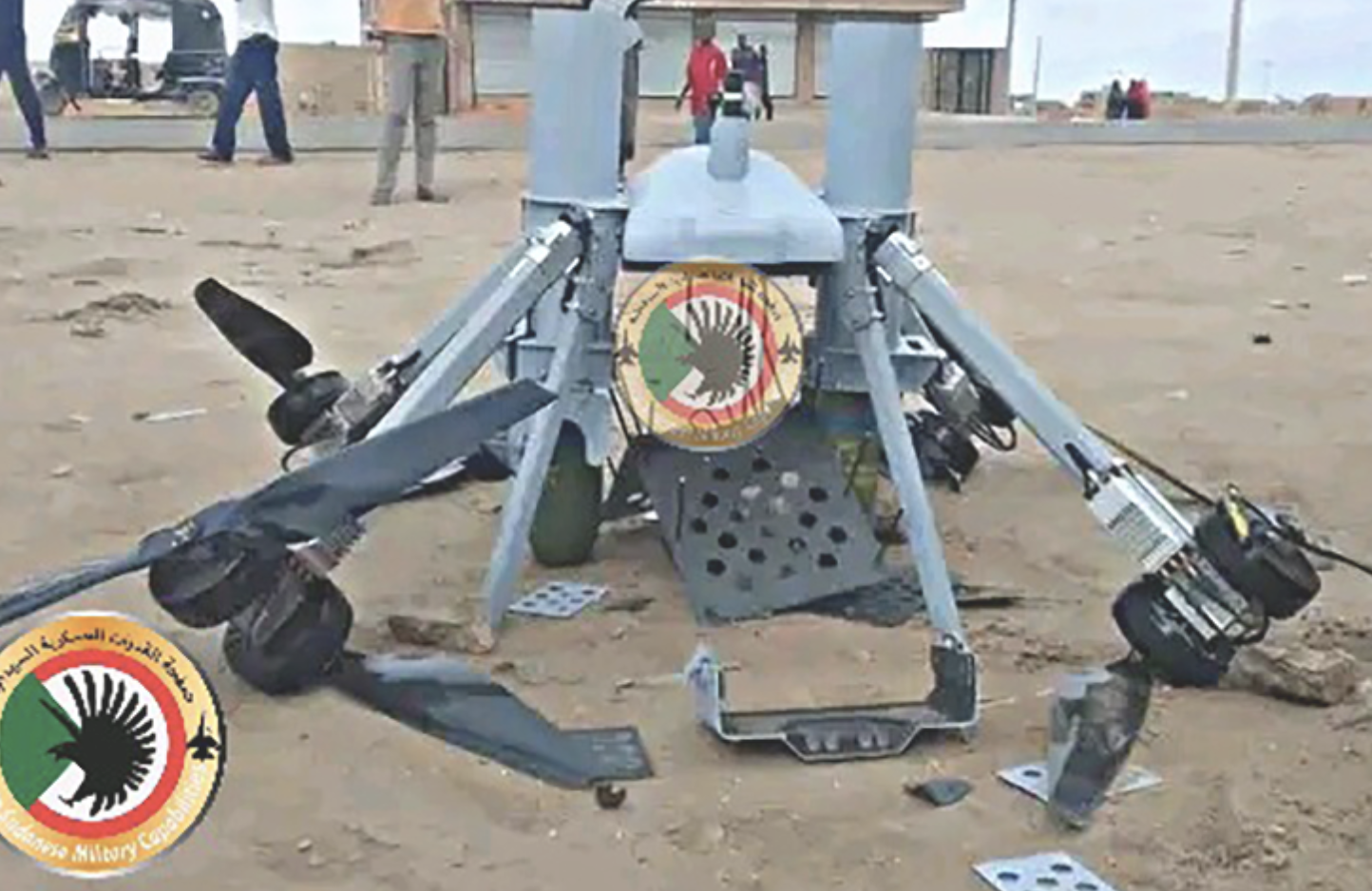
Proxies with sufficient territorial control and resources eventually undertake domestic production to reduce costs and overcome supply chain constraints induced by sanctions. Iranian and Russian military-grade UAVs are often patchwork models, having illicitly sourced Western components. Locally produced hybrid UAVs initially exhibit rudimentary structures with simpler technology for quicker iterations and scalability.
Due to this, actors are able to undertake indigenous customizations to meet emerging demands without breaking their wallets. While initially performance asymmetries exist between Western counterparts and their rip-offs, they shrink as the replicated models undergo multiple iterative cycles based on actual on-the-ground feedback. The Iranian Shahed-136s sold to Russia have undergone major changes, including the integration of Russian GLONASS satellite navigation for adequate data protection and transfers from Ukrainian targets to the Russian military.
Each conflict zone has become a defence expo, where data is continuously collected to make new decisions. Iran’s Ministry of Defence (MOD) claimed a three-fold rise in arms exports, with Russia, Syria, Iraq, North Korea, Tajikistan, and Venezuela as the principal state buyers. Similarly, other militias in the MENA region are increasingly using Iranian UAVs, suggesting an expanding consumer base among non-state actors. The production cost of Iranian UAVs or license-built Russian UAVs can be as low as $20,000 - $50,000 per unit, making them a favored choice against million-dollar Air Defence (AD) systems.
This economic rationale grants them a competitive market edge among states seeking cost-effective ways of upgrading traditional air power with no political and moral policing. Iran further demonstrates an active interest in collaborative infrastructural projects and in helping develop its buyers' indigenous UAV production capabilities through Joint Ventures (JVs).
A distributed defence ecosystem that engages several knowledge-based companies and actors in innovation across the globe is an attempt at future-proofing industrial resilience. On a strategic level, a decentralized model ensures that targeting individual facilities does not impact the supply chain and allows for rapid adaptation to shifting geopolitical realities.
Outlook
More arms trade means more revenue for Iran and similar state patrons, which eventually gets pumped into their proxies for greater regional influence. Rising profitability will enable these patrons to attract superior talent, while using the darknet will remove the constraints of geographical mobility. As states vie for battle-hardened technology and aspire to become leading global arms exporters to diversify their revenue portfolio, proxies will drive domestic innovations at a cheaper and faster rate. Affordable UAV deals will inevitably attract buyers who cannot access expensive Western technologies, forging deeper political and economic ties with Iran and bolstering its stature in global politics.

