


Welcome to this week’s Brief, our analysis of the most consequential developments in unmanned systems and drone warfare. Each week we track rapidly accelerating battlefield innovations, emerging doctrine, and the technologies reshaping how states and non-state actors deploy unmanned systems.
Have intelligence requirements, developments we should investigate, or perspectives to share? Contact us at info@dronesense.ai.

Deep Dive: AI is Transforming Drone Interception Logic
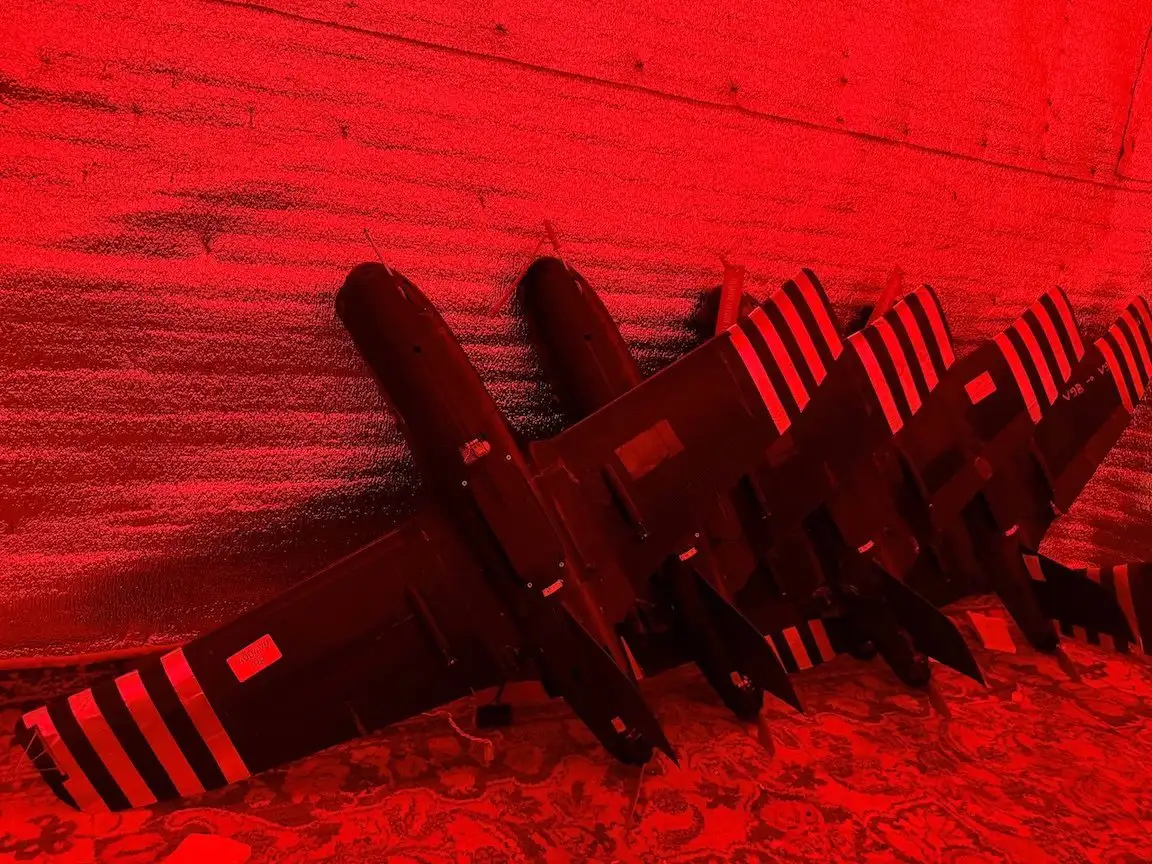
Automating interception of enemy drones is changing combat logic faster than ever. Ukrainian drones can now intercept Russian one-way Shaheds using AI systems that automate roughly 95% of the detection, tracking, & engagement process. This means operators can supervise multiple interceptions at once as AI does most of the heavy lifting. In response, attack tempo rises, engagement windows get slimmer, and interception shifts from a manpower-intensive activity to an industrial process.
Broadly, drone interception has 3 key phases: (a) the launch, (b) the approach to the target, and (c) target acquisition with terminal guidance. So far, most of the success in automation has been achieved in the last phase. But reaching that stage, which includes getting to the target area and finding the target, took the majority of the time. This was the problem that the new AI systems on interceptor drones aimed to solve.
Now, with a single press of the ‘Start’ button, the interceptor launches, climbs to a preset altitude, stabilises, and waits for target assignment from the radar system. The operator simply selects the desired target, while the drone autonomously flies toward it. During the last mile, AI takes over the engagement sequence through detection, tracking, and terminal guidance into the detonation zone.
This scaling of interception is clearly altering manpower economics as the role of drone operators becomes reduced to assigning targets and supervising engagements. It is doing 2 things: First, greater horizontal diffusion. Lowering the learning curve enables a larger pool of personnel to rapidly learn drone interception and help spread these capabilities beyond units specifically designed for their use. Second, it reduces the premium on highly skilled operators in the short term by compressing skill differentials.
But this is unlikely to last as piloting skills become saturated, and judgement becomes imperative in achieving a tactical edge in peer competition.
The repositioning of the human-in-the-loop, making multiple interceptions possible, has another major downstream effect. Attackers will be compelled to adapt and change tactics. With simple one-off drone strikes becoming easier to absorb, attackers will likely pivot toward larger swarms, more layered attack packages, and greater use of decoys and electronic warfare to saturate defenses. But adaptation takes time, and in the transition phase, attackers will most likely identify ways to deceive AI systems by exploiting vulnerabilities.
An example of this is the Russian use of ‘dazzle-style’ camouflage on its vehicles to fool Ukrainian AI drones used for target detection and acquisition. Ukraine has so far countered this by regularly retraining AI vision algorithms on drones.
Keeping up with adversarial adaptation will likely be a key challenge. The 95% success rate in automating interception was secured on static targets, and Shaheds are not static. Russia has already pushed them into steeper terminal dives, better anti-jam navigation, and faster variants that narrow the interception window.
This problem only gets worse once the fight moves from one target to many, as a system that performs well against a single drone does not necessarily scale cleanly to swarms. As attack volumes increase, humans will likely offload more judgement tasks to AI, creating opportunities for adversaries to exploit edge cases and novel tactics that fall outside the system's training data.
China Watch: Reorganizing Infantry and Snake Drones
- Beijing is reorganizing and retraining its forces around drones. The 83rd Group Army ran target drone regeneration drills, focused on maintaining operational tempo against multi-vector threats under attrition conditions. Separately, PLA infantry units conducted terrain-based evasion exercises against FPV drone threats. Lastly, the 72nd Group Army began cross-training rear-echelon maintenance crews as UAV operators, collapsing the distinction between support and combat functions to sustain drone operations when forward units are isolated.
- Chinese President Xi Jinping’s recent visit to North Korea further suggests that bolstering trade ties will likely facilitate indirect procurement of Chinese drone components and materials to scale its domestic military drone fleet. This, combined with Russia’s technology transfers, can help North Korea develop advanced drones indigenously.
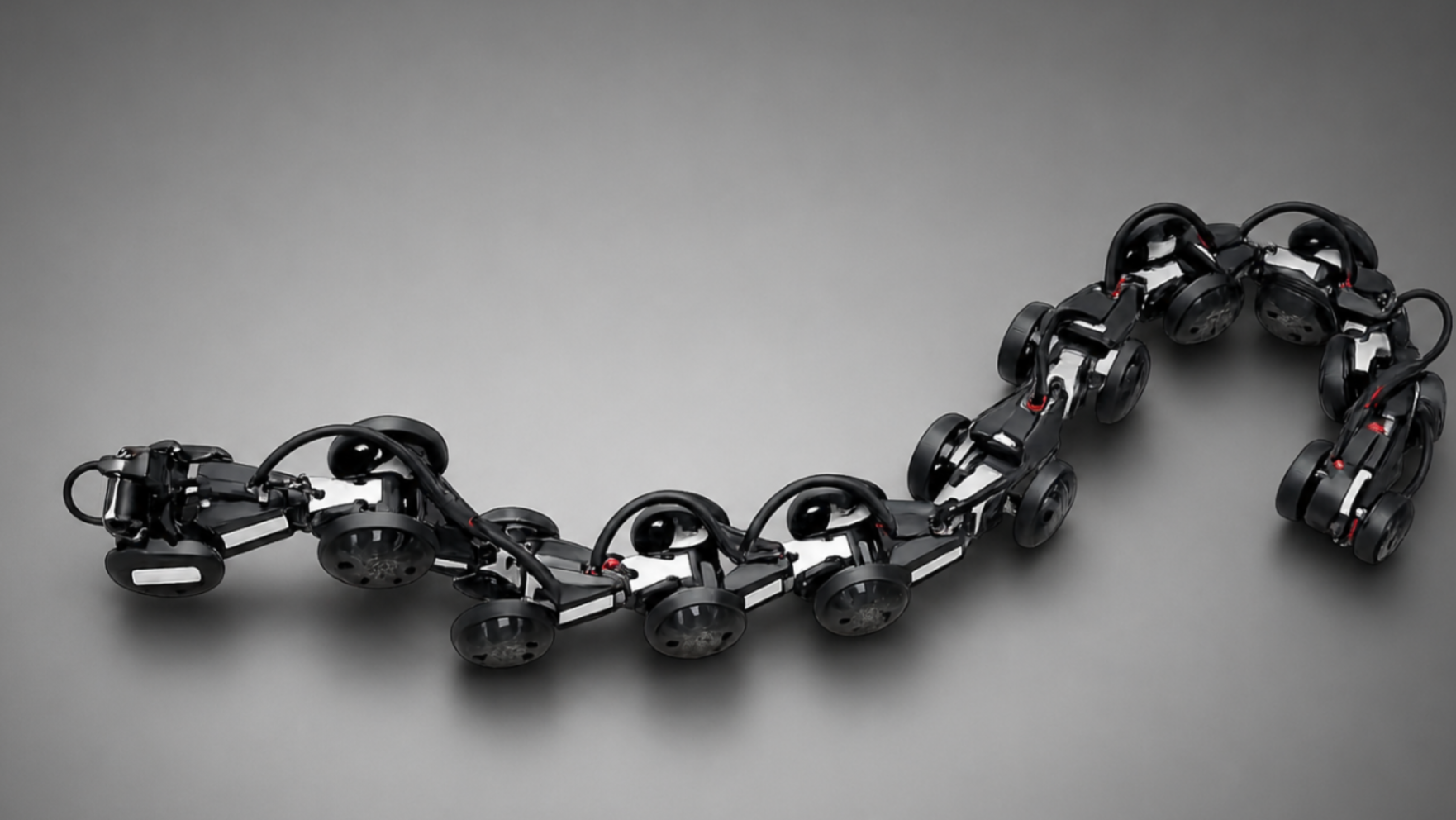
- Beijing is testing snake-shaped ground robots equipped with cameras and sensors to inspect critical electrical infrastructure. These bionic ground drones can wrap around and move along power lines at extreme heights to detect hazards such as damaged wires, worn components, and abnormal temperatures.
- Unlike UAVs, these ground drones operate directly on the cables they monitor, including in locations with flight restrictions, like airports. They are also less vulnerable to high-voltage electromagnetic interference, have reduced weather dependence and higher battery endurance. Multiple trials indicate that the system delivers 3× greater efficiency than manual inspections, enhancing safety and reliability.
On Our Radar:
US Navy USV Rescues Downed Aviators in Strait of Hormuz
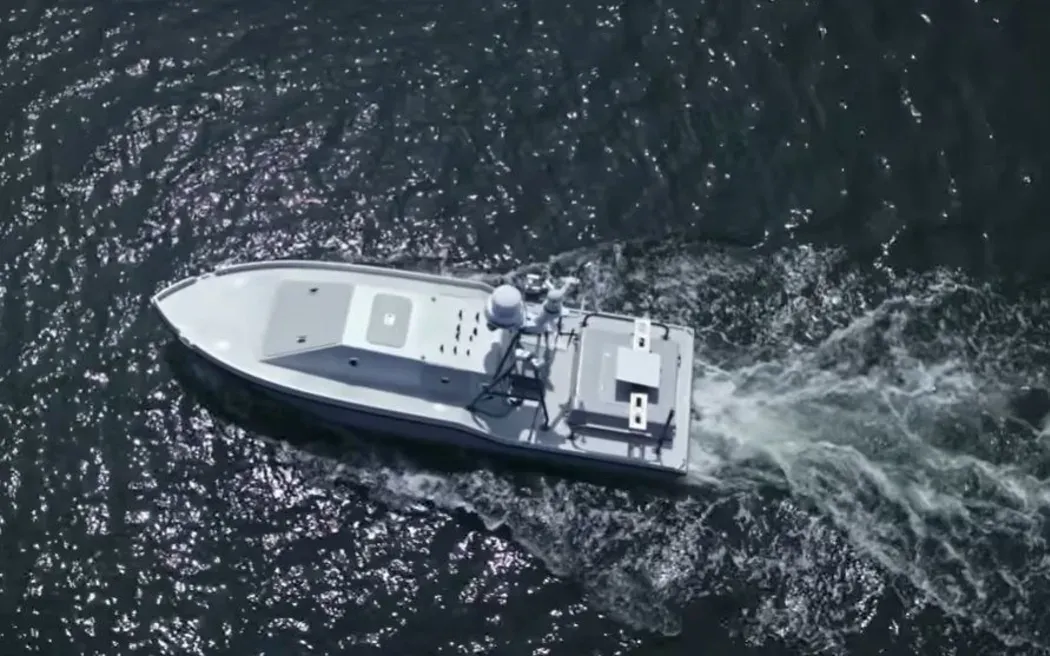
The Saronic Corsair, a US Navy unmanned surface vessel, recovered two aviators from a downed Apache helicopter in the Strait of Hormuz this week – the first confirmed USV personnel recovery in a combat-adjacent environment. The mission required the platform to navigate a contested waterway, locate survivors, and execute a recovery without a crew aboard. Task Force 59 now has operational proof that autonomous surface vessels can perform life-safety missions in environments where sending a manned rescue asset is itself a risk calculation. (WSJ)
Russian EW Redirects Ukrainian Drone Into NATO Port at Constanța
A Ukrainian Magura V5 detonated inside Romania's Constanța port this week after Russian electronic warfare hijacked its navigation system; a second AI-navigated USV self-detonated nearby. Russian EW has now redirected an adversary platform into a NATO port, producing a detonation on alliance soil without a single Russian asset crossing the border. The incident forces a legal and doctrinal question that no existing framework answers cleanly: when an autonomous weapon is hijacked and turned against neutral infrastructure, who bears responsibility for the damage. (Analisi Difesa, Defence Turk)
Iran-Linked Group Claims Hack of FBI Drones, Threatens World Cup
An Iran-linked group claimed this week to have hacked FBI surveillance drones and simultaneously threatened the upcoming World Cup. Whether or not the hack claim is verified, the operational logic it describes is sound: the drones deployed to secure a mass-casualty civilian event are themselves a target, and compromising them degrades the security architecture from the inside. The threat reframes the C-UAS problem at major events from detecting rogue drones to defending the integrity of the detection systems themselves. (Straits Times)
F-35 Controls MQ-20 Avenger Drone in Combat Test
An F-35 controlled an MQ-20 Avenger via satellite communications and autonomous software this week in the first confirmed manned-unmanned teaming test in a combat-representative environment. The pilot managed the drone as a forward sensor and strike asset while the F-35 itself remained outside the threat envelope, extending the aircraft's effective reach without extending its risk. The test confirms that fifth-generation fighters are being redesigned around a command function: the platform that survives is the one that sends something else to die first. (Infodefensa)
Ukraine Launches 400-UAV Mass Offensive Against Russian Naval and Energy Infrastructure
Ukraine launched over 400 UAVs simultaneously against Russian naval, energy, and logistics infrastructure this week, overwhelming regional air defenses across multiple target sets. At that volume, the operation achieves the effects of a sustained aerial bombardment without a single manned airframe at risk -- and at a fraction of the cost of the interceptors Russia expended to counter it. Ukraine's domestic production has now scaled to the point where drone mass functions as a strategic instrument, not a tactical supplement. (Defence Blog)
Morocco Deploys Turkish, Chinese, and Israeli Drone Platforms in Western Sahara in Preview of "Non-Aligned" Drone Stacks
Morocco is simultaneously operating Turkish Baykar Akinci and TB2 platforms, Chinese systems, and Israeli drones in the Western Sahara conflict -- three competing geopolitical blocs running missions in the same theater. The procurement strategy reveals that middle powers have concluded capability and alignment are separate questions: buy the best available system regardless of supplier politics, and manage the interoperability problem internally. For defense exporters, the implication is that political relationships no longer confer procurement preference the way they once did. (El Mundo)
Hardware Innovations and Tactical Adaptations
- Tree-Perching FPVs: Reports indicate that a few Ukrainian units are testing new FPV drones that use a simple mounting system to attach to trees, poles or other elevated positions. The drones can remain completely stationary in ambush mode, conserving battery and reducing operational signatures. The concept also enables small drones to remain concealed in elevated positions, reducing their detectability in heavily monitored environments.
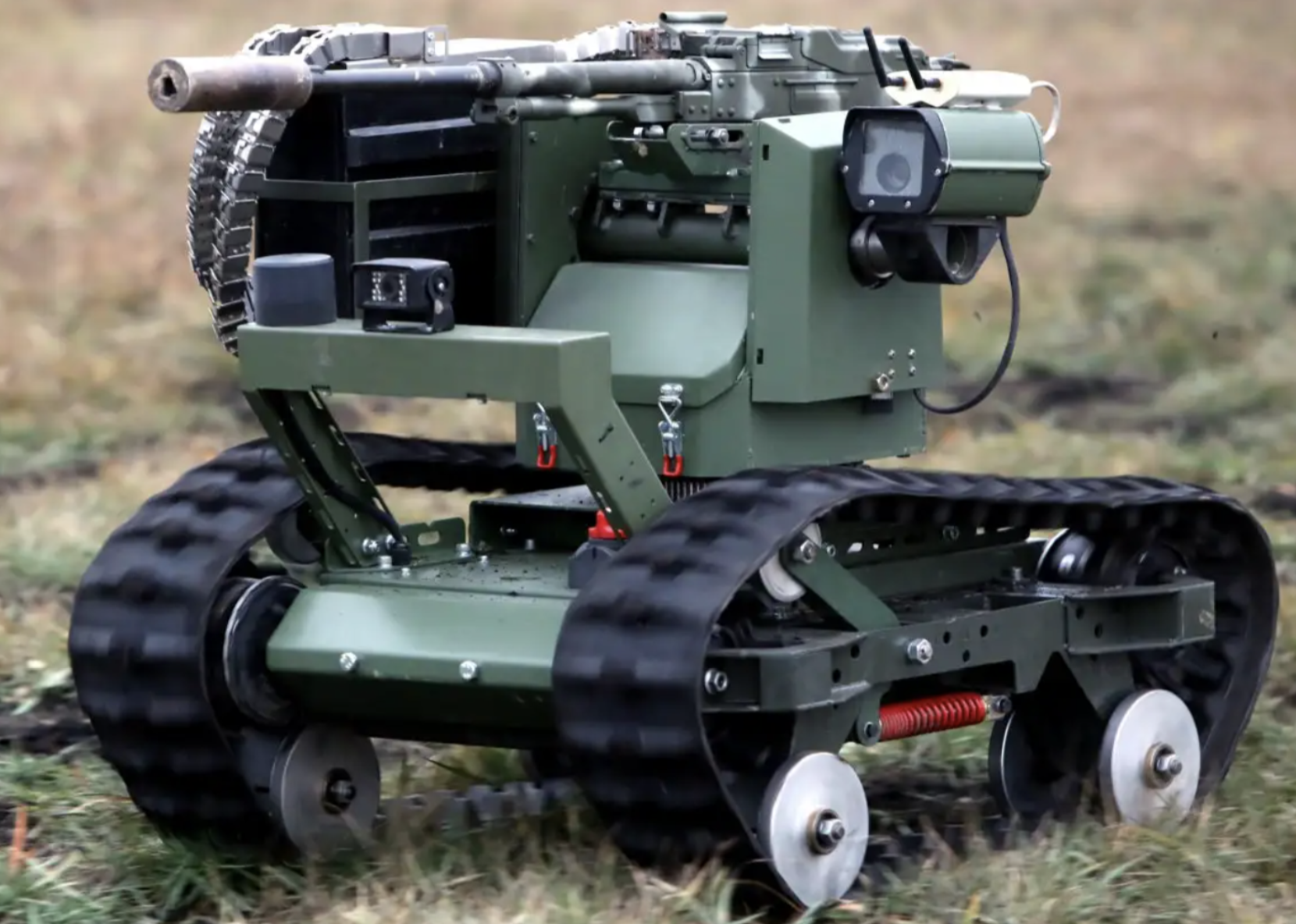
- UGVs with Machine Guns: Ukrainian soldiers are reportedly equipping their UGVs with machine guns to strike and destroy Russian FPVs in ambush positions. The add-on kinetic capability likely aims to neutralize ‘waiter’ drones retrofitted with explosives that lie quietly on the roadside, reducing their operational signature until the very last moment. This shortens detection and engagement windows, enabling them to ambush targets across front lines. The UGVs will likely adopt a multi-role function, including serving as patrol units in ‘kill zones.’
- Advanced Jammers on Decoys: Russia has begun retrofitting its Gerbera reconnaissance & decoy drones with advanced 12-element Kometa CRPA satellite navigation systems, making them more resistant to electronic warfare and GPS jamming. While these systems were previously reserved for higher-value strike drones, their appearance on cheaper platforms suggests that Russia has expanded domestic production. The move suggests that enhanced EW resilience will become a standard even on low-cost drones.
What We're Reading
- FPVs Make Near-Border Naval Basing Untenable: Long-range FPVs have pushed the minimum safe standoff distance for naval basing beyond 100 kilometers from a hostile coast, requiring a dedicated kinetic intercept layer that most navies have not built. (Small Wars Journal)
- Ukraine Announces Landmark Military Service Reforms: By offering generous compensation and fixed terms specifically to elite drone units after failing to attract infantry, Ukraine confirms that drone combat experience is now the highest-premium commodity in the defense labor market. (Kyiv Independent)
- Pentagon Begins Receiving 20,000 Small FPV Drones Under Drone Dominance Push: The scale of the initial order across 10 vendors signals that the DoD has finally accepted the attritable mass model, shifting procurement from exquisite platforms to disposable volume. (Breaking Defense)
- Navy Carrier Deploys with Robot Ship: The deployment of an unmanned surface vessel alongside the USS Theodore Roosevelt lays the operational foundation for how the Navy will integrate autonomous systems into carrier strike group doctrine. (Breaking Defense)
- Ukraine's Secret Drone Choking Russian Supply Highway 60 Miles Behind Enemy Lines: The ability to persistently interdict logistics 60 miles deep using autonomous systems effectively extends the front line, forcing Russia to secure rear areas that were previously considered safe havens. (Business Insider)
- Uncertainty Plagues Taiwan's Drone Industry After Budget Cuts: The reduction in government funding exposes the fragility of Taiwan's domestic drone industrial base, which remains heavily dependent on state support to scale production against the Chinese threat. (Nikkei)
- US Approves $1.98B Anduril C-UAS Sale to Kuwait: The nearly $2 billion package establishes Anduril's autonomous interceptor and C2 software as the baseline export standard for Gulf allies seeking to harden their airspace against swarm threats. (Janes)
- Defining AI-to-AI Perfidy in Warfare Law: The legal debate over autonomous platforms deceiving enemy classification systems highlights that international law is entirely unequipped to govern algorithmic deception. (Lieber Institute)
- IDF Integrates AI for Autonomous Targeting in Hermes Fleets: Internal documents confirming automated target identification in Israeli drone fleets show that the human-in-the-loop requirement is already being quietly phased out in active combat zones. (Haaretz)
- Ukraine Deploys Autonomous Interceptor Drones Against Shaheds: The deployment of drones capable of identifying and destroying loitering munitions with minimal human input proves that the only cost-effective answer to an autonomous threat is an autonomous interceptor. (Defence Blog)
- Japan Approves Drone Integration for Missile Defense: Revising national security documents to include UAVs in the missile defense architecture signals that Japan views persistent autonomous surveillance as a mandatory layer for early warning. (Nikkei)
- Player Data Powers Military Drone Navigation: Leveraging billions of Pokemon Go user scans to train drone navigation in GPS-denied environments demonstrates how commercial spatial data has become a dual-use military asset. (TASS)


