


Welcome to this week’s Brief, our analysis of the most consequential developments in unmanned systems and drone warfare. Each week we track rapidly accelerating battlefield innovations, emerging doctrine, and the technologies reshaping how states and non-state actors deploy unmanned systems.
Have intelligence requirements, developments we should investigate, or perspectives to share? Contact us at info@dronesense.ai.

Deep Dive: Why couldn't Russia protect the Crimean Bridge?
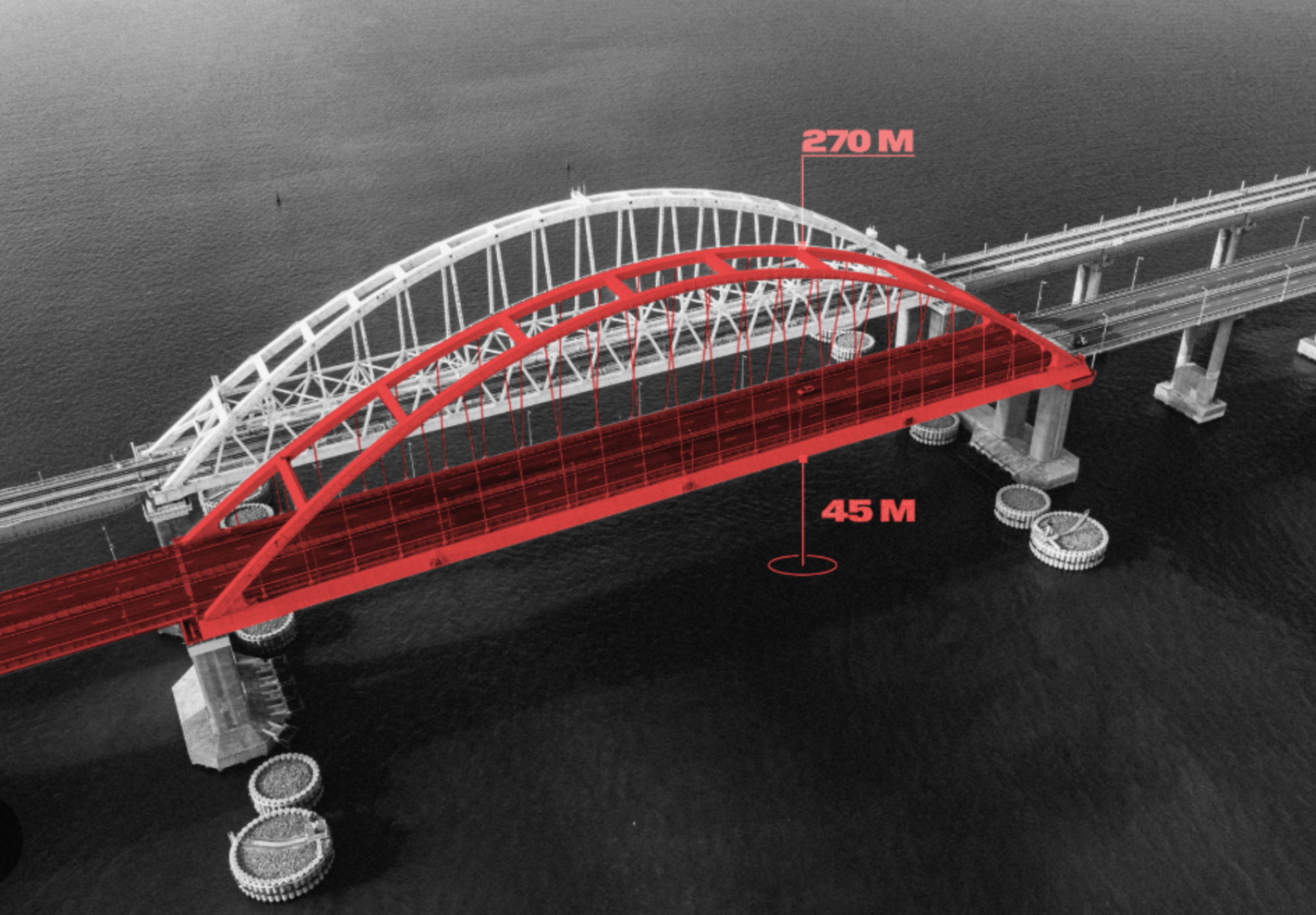
In 4 years since the War began, Ukraine has attacked the Crimean Bridge 6 times to halt Russian supplies from reaching the frontlines via the peninsula, and to tell the Kremlin that its occupation will never find peace.
4 of these attacks used Ukrainian air and sea drones in distinct mission formations.
The only consecutive strikes against the Bridge, and the most recent ones, used 11 distinct aerial platforms. Drones (both piston- and jet-powered), likely carrying high-explosive payloads, were combined with long-range missiles to maximize structural degradation of the target. Tasks were carefully distributed, with platforms complementing one another to success.
Ukraine’s drones helped missiles survive Russian defenses and stay connected during the Crimean Bridge attack. They attacked protective equipment, burdened surviving air defenses and relayed signals for the final strike. Their roles explain much of how a mixed package penetrated the protection around one of Russia’s most important fixed assets.
The strikes culminated a roughly month-long, 7-stage operation by Ukraine, exposing weaknesses in deployed Russian air defense (AD) systems. Russia has been, in fact, investing in both regional warning and local interception to protect the Bridge. Elevated Pantsir positions were documented in 2024, while S-400 radars were also associated with bridge protection. These layers served related requirements: warning and tracking could help defenders respond, while point-defense systems could engage weapons approaching protected assets.
But Kyiv began by attacking the defenses guarding the crossing. Air defenses, radars and electronic-warfare (EW) equipment were preparatory targets, making the systems protecting the bridge part of the campaign before direct strikes on the structure began. This gave Ukraine an opportunity to weaken the protection its heavier weapons would later encounter.
It is estimated that Russia has spent roughly $8.6 billion across construction, protection, repairs and defensive-equipment losses.
This week we analyze why advanced Russian air defenses failed to counter Ukrainian drones, how Kyiv engineered a mixed-strike package combining 11 distinct drone and missile models to destroy the Bridge, what role each platform played, and lastly, what that signals for fixed-site protection.
China Watch: China's new refueling jet UAV, Cargo drone automated airdrop, Gulf expansion & demand signals
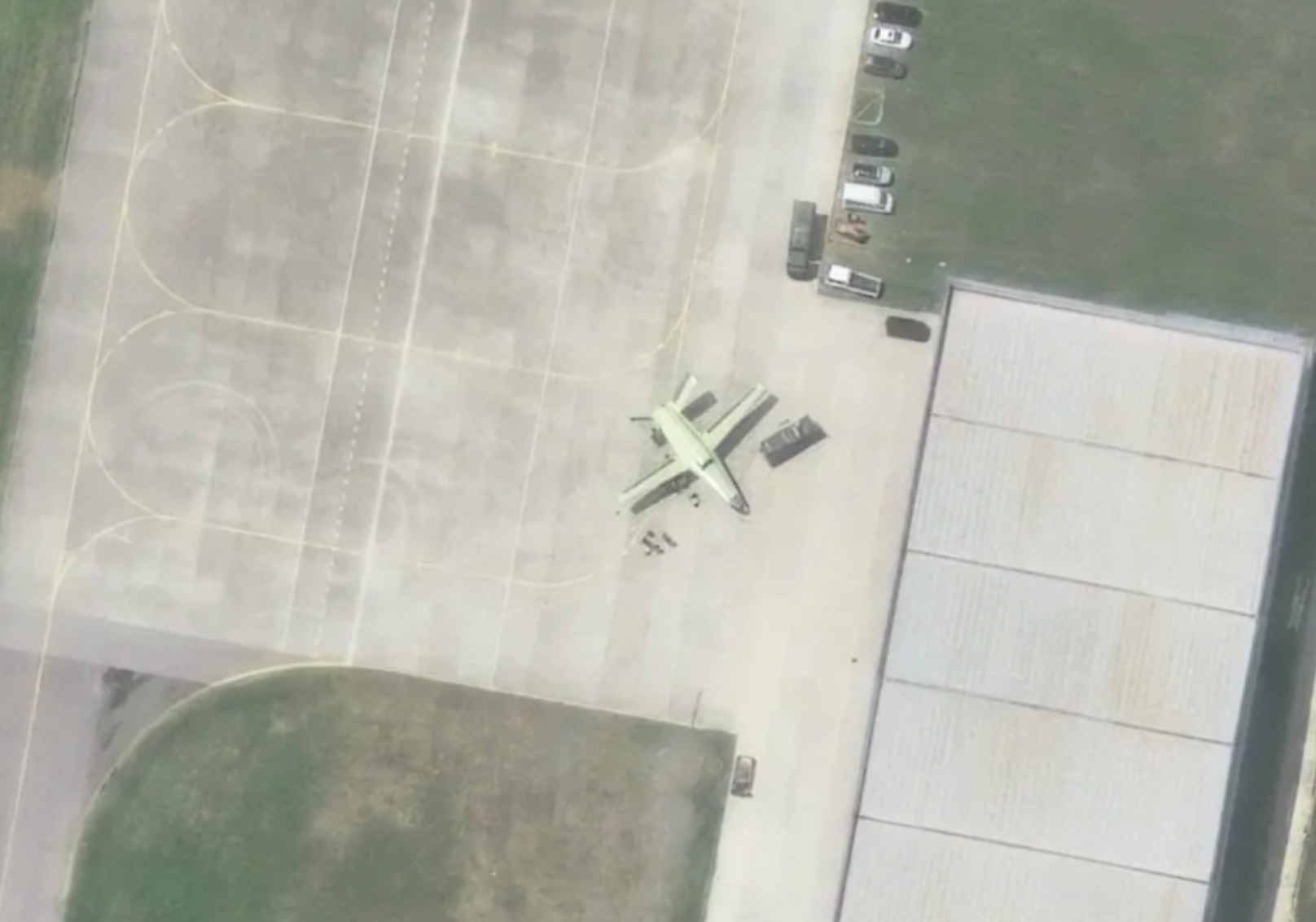
- China’s large-drone development picture now includes a possible refueling platform alongside the strike and reconnaissance designs. Satellite imagery of Pucheng Neifu Airport in Shaanxi shows an unidentified jet drone with a tapered nose, dorsal intake and V-tail. The drone appears to have an estimated wingspan of about 20 meters and a length of about 15 meters. Its configuration has drawn comparisons with the MQ-25, the US Navy’s carrier-based refueling drone.
- That comparison opens a different operational question from last week’s GJ-11 disclosure. A penetrating strike drone carries the attack into defended airspace. A refueling drone could instead help crewed aircraft remain on station or reach a more distant operating area, while releasing a crewed aircraft from the tanker assignment.
- Meanwhile, Beijing’s Changying-8 UAV’s automated airdrop trial addressed a specific limit on cargo-drone access: the receiving point does not always have somewhere to land. The 7-ton-class drone, developed under China North Industries Group, released a pallet at 300 meters and returned to land. The platform has a stated 3.5-ton payload and an 18-cubic-meter cargo compartment.
- Removing the destination landing requirement could likely bring supplies within reach of an isolated settlement or support position. But it also transfers part of the access problem to the drop itself. The receiving team needs a clear area, an intact load and a recovery route from where the pallet lands.
On Our Radar:
UGVs Begin Fighting Back Against Aerial Drones
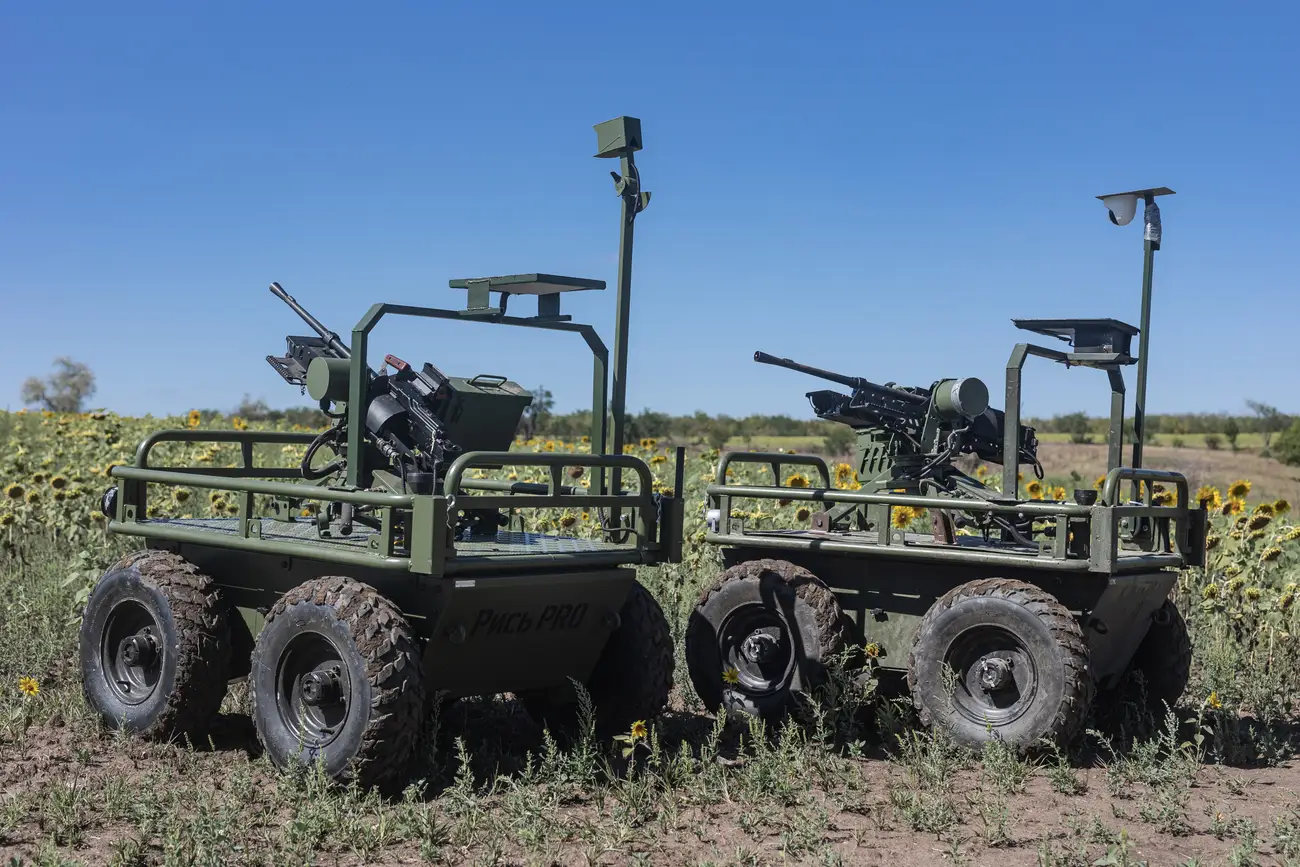
Ukraine is equipping ground robots with guns, jammers and net launchers, with units reporting machine-gun interceptions and demonstrating net-based protection. Most applications defend individual robots, but manufacturers are developing detection and engagement systems that could support mobile short-range air defense. UGVs could carry protection alongside supply movements or infantry, reducing soldiers’ exposure while helping defend the routes on which those missions depend.
Will Autonomous Logistics Win Wars?
Neya Systems’ new fuel-distribution program would link uncrewed boats and ground vehicles, with maritime routes exceeding 100 nautical miles. Dispersed deliveries could reduce crew exposure and continue despite individual vehicle losses. But smaller loads require more trips and maintenance, loading facilities and shore transfers remain vulnerable concentrations. Autonomous logistics looks most likely to influence outcomes where the danger of delivery, rather than the availability of supplies, is the binding constraint. There it could preserve positions or operational tempo that would otherwise become unsustainable. Its contribution to winning a wider war will depend on how much of the supply network it can sustain, beyond the final dangerous leg.
 Drone Sense
Access every drone and counter-drone tactics and innovations from the battlefield
Drone Buyers Seek Domestic Production Capabilities
Morocco is pursuing drone manufacturing, research and engineer training through foreign partnerships, while Egypt’s X-GEN plans EGP 5 billion in investment over three years to localize drone and robotics production. Domestic engineering could let buyers adapt equipment and develop subsequent versions, making technology transfer part of suppliers’ appeal. Local assembly, however, can preserve dependence on imported components and foreign design authority. The measure of these programs will be what local engineers can modify and reproduce independently.
How Many Drones Could Existing Military Fleets Produce?
Existing fleets could supply larger drones without new airframes or hulls, as ongoing helicopter conversions and patrol-boat trials illustrate. Some back napkin math: converting 20–50% of the Indian Navy’s roughly 50 Chetaks would yield 10–25 uncrewed helicopters; ten comparable fleets would yield 100–250. The available pool is smaller than inventories suggest, however: operational vehicles still have jobs, while retired ones may be expensive to restore. Retrofitting could supply meaningful batches of larger drones as fleets are replaced, with conversion economics and remaining service life determining how much existing hardware becomes usable uncrewed capacity.
Drone Strikes Trickle Into Russia’s Data-Center Insurance Market
Russian data-center operators are paying substantially more and getting less coverage against drone strike risks in a preview of what might appear in broader insurance markets. Reported rates rose from 0.03–0.06% of insured value to 1–5% following an October change in the national reinsurer’s policy, amid increasing infrastructure attacks and losses. Lender and lease requirements sustain demand for coverage, but buyers are adjusting limits, accepting deductibles and excluding risks to manage the cost. One expert estimates policies with deductibles now exceed 40%, up roughly 20 percentage points. The market is consequently shifting more exposure back to operators even as premiums rise. For insurers, higher prices must compensate for both greater expected losses and the possibility that a single incident affects several insured facilities.
Technical Intel:
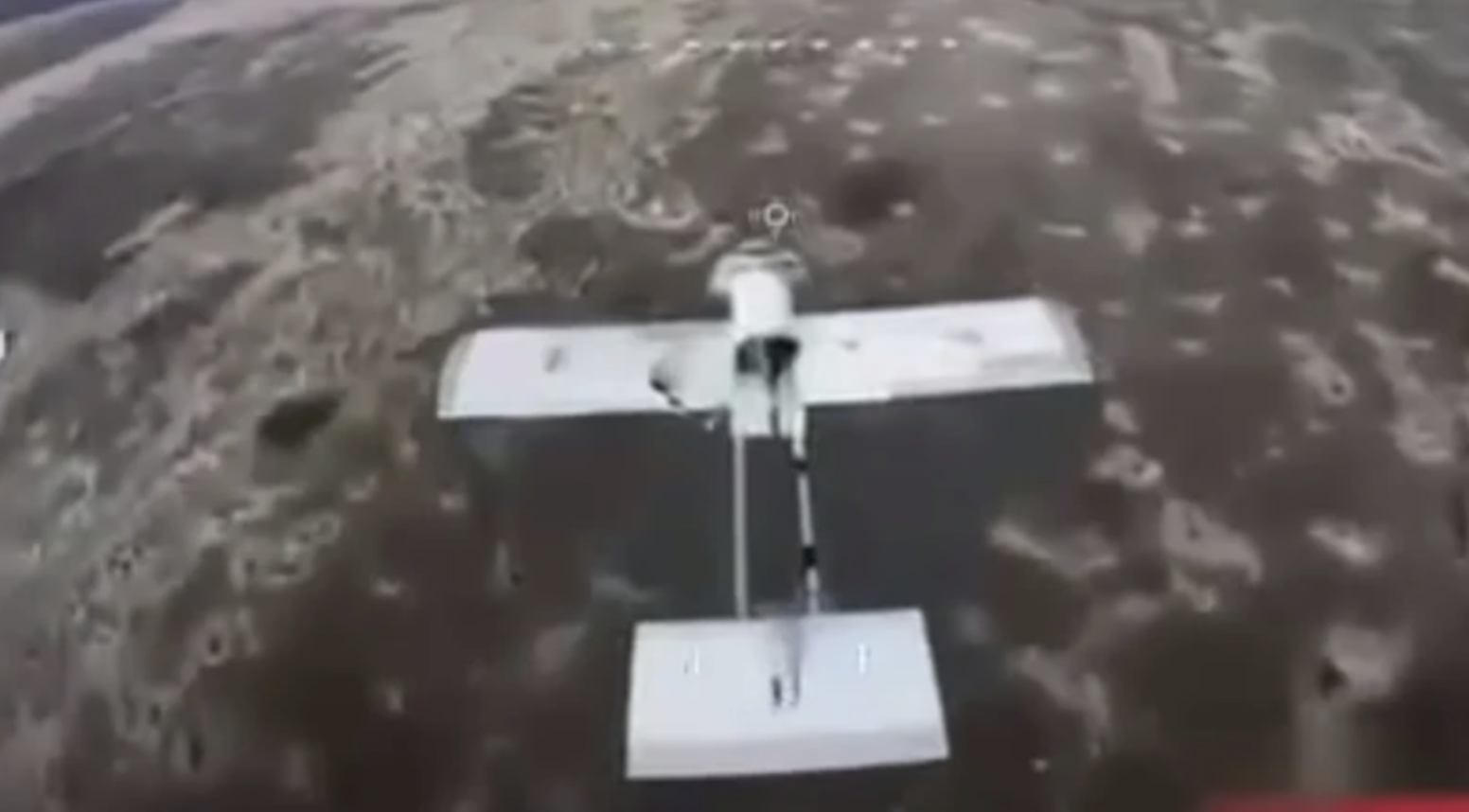
Geran-6 Tests: Russia is testing the Geran-6, a new jet-powered strike weapon that Ukrainian intelligence assesses could reach speeds of up to 1,000 km/h and carry a large warhead. At such speeds, the time available to detect, track and intercept an incoming target becomes much shorter, while even fast drone interceptors would struggle to catch it from behind. This could force Ukraine to rely more heavily on fighter aircraft and missile-based air defense for some engagements, reducing the cost advantage of using cheaper interceptor drones. But higher speed and a heavier payload are also likely to increase propulsion and production demands, potentially limiting how many Geran-6 weapons Russia can field alongside its slower drones.
Automatic Target Acquisition on Molniya-PVO: Russia is now using its Molniya-PVO interceptor drones in an automatic target recognition and lock-on mode against Ukrainian heavy drones near Kherson. Moving part of target acquisition to onboard software is expected to reduce the time operators spend manually tracking approaching drones, particularly during night attacks or simultaneous engagements. This will likely make relatively inexpensive interceptors more useful for protecting fixed infrastructure against repeated drone attacks. But the system still needs reliable external target detection and cueing, and the extent of automation during the final interception remains unclear.
Starlink-Connected Surveillance Cameras: Ukraine is fielding its heavy-lift hexacopters 'Vampire' drones to deploy Starlink-connected cameras near Russian positions for stationary reconnaissance. Once placed, the cameras monitor movement without requiring a reconnaissance drone to remain overhead, potentially reducing the number of sorties needed to watch a particular route or position. This also allows aerial drones to place surveillance equipment in areas that personnel cannot safely access. The cameras though, are likely to have narrower observation areas than mobile reconnaissance drones, with their continued utility depending on concealment, power supply and an uninterrupted satellite connection.
Communications Retrofit: Ukraine has integrated its Palych communications system into American RQ-20A Puma reconnaissance drones that had become unusable because their original links became vulnerable to Russian electronic warfare (EW). The retrofit will return otherwise functional drones to reconnaissance missions without replacing their entire airframes, cameras or other expensive onboard equipment. It also offers a way to adapt imported systems to local interference conditions after delivery, extending their operational life.
Find the brief value-focused? Recommend it to a friend: https://www.dronesense.ai/
Fiber-Optic Molniya Drones: Russia is deploying fiber-optic Molniya drones across multiple frontline sectors, following earlier attempts that were rather limited. The adaptation extends cable-based control to a fixed-wing strike platform with a stated operating range of up to 30 km, potentially allowing attacks farther behind Ukrainian positions without exposing a radio-control link to jamming. Besides strike missions, the drone can provide reconnaissance imagery during flight, making its continued presence a threat to movement and logistics. But the fiber spool adds weight and creates a physical connection that can be damaged or obstructed, particularly during low-altitude flight around terrain and vegetation.
Combat Laser Trials Against Drones: Ukraine has begun testing vehicle-mounted laser weapons against drones under frontline conditions, with successful engagements claimed during field trials. Unlike missile- or gun-based interception, a laser does not consume a separate projectile for every engagement, potentially reducing ammunition resupply requirements when defending against repeated low-cost drone attacks. It could also give mobile air-defense groups another option for engaging nearby targets without expending interceptor drones. Tracking and maintaining energy on moving targets, particularly through smoke, rain or other conditions that interfere with the beam, will be key challenges to overcome. Any sustained engagements are also likely to place demands on power supply and cooling.
What We're Reading:
- Drone Attacks Cut Russian Refinery Runs by 45% in October. Ukrainian strikes disrupted or halted operations at 15 of Russia’s 35 major refineries, reducing daily processing by roughly 45% from late October, although November’s average decline remained considerably smaller. (Reuters)
- Russia’s Africa Corps Deploys New Lancet Drones in Mali: Conflict Insights Group identified growing use of Russian loitering munitions as the tempo of air and drone strikes more than doubled following April’s insurgent offensive. (Reuters)
- NATO Uses Ukrainian Drone Forces to Challenge Its Own Tactics: Ukrainian personnel and uncrewed surface vessels are serving as opposing forces in NATO exercises, bringing combat experience into drills designed to expose weaknesses and accelerate adaptation. (Breaking Defense)
- Estonia Attributes Drone-Maker Sabotage Attempt to Russian Intelligence: Authorities detained eight suspects after an attempted explosion and fire at Threod Systems, with Prime Minister Kristen Michal attributing the operation to Russia’s GRU and reporting no disruption to production. (Breaking Defense)
- Brazil Plans Dedicated Maritime Unmanned Systems Squadron: The navy is preparing a new squadron and force command to organize the training and operation of uncrewed surface and underwater vehicles within its fleet. (Infodefensa)
- Former Israeli Defense Official Describes Rapid Wartime AI Adoption: Former MAFAT official Golan Malca says AI capabilities reached roughly 30% of IDF systems within a year of October 7, as the military adapted commercial algorithms, drones and smartphone technologies for battlefield use. (The Jerusalem Post)
- Shield AI Opens Indian Engineering Center: A new Bengaluru team will develop and test Hivemind autonomy software for Indian platforms, extending the company’s local presence beyond sales and its existing V-BAT manufacturing partnership. (Shield AI)
- EU Launches Semi-Autonomous Vessel for Baltic Infrastructure Protection: The 45-meter Euroguard prototype, developed through a consortium of 29 organizations across ten countries, is designed for maritime surveillance, mine countermeasures and protection of submarine cables and energy infrastructure. (Infobae)
- Russia Begins Pilot Production of AI Computing System for Uncrewed Platforms: Akvylon has begun pilot-series production of its Skif onboard computer, intended for aerial drones and ground and maritime robotic systems, according to Russia’s Center for Unmanned Systems and Technologies. (Lenta.ru)


