


Top Headlines:
- China is moving UAVs from individual platforms to formation warfare, with crewed aircraft, drones and dedicated ground-control stations being tested together.
- A Chinese study found that a 30 kg drone payload could trigger catastrophic failure in a suspension bridge, pointing to a new way of thinking about C-UAS protection.
- Our policy tracker shows low-altitude airspace restrictions are spreading across Chinese cities.
- China’s unmanned footprint abroad now runs from Serbian military robotics to Iranian drone supply chains and Djibouti-based ISR.
- Chinese cities are turning drones into municipal infrastructure, from Shanghai’s delivery networks to Wuhu’s 150+ low-altitude nodes.
- Beijing is tightening the rules around the low-altitude economy even as local governments build new systems for flight management, safety and commercial deployment.
- This brief analyzes 4 Chinese research papers and 29 patent publications, revealing a heavy concentration on UAV detection, identification, tracking and formation control.
1. Military & Operational Developments
China Moves UAVs Deeper Into PLA Formation Operations
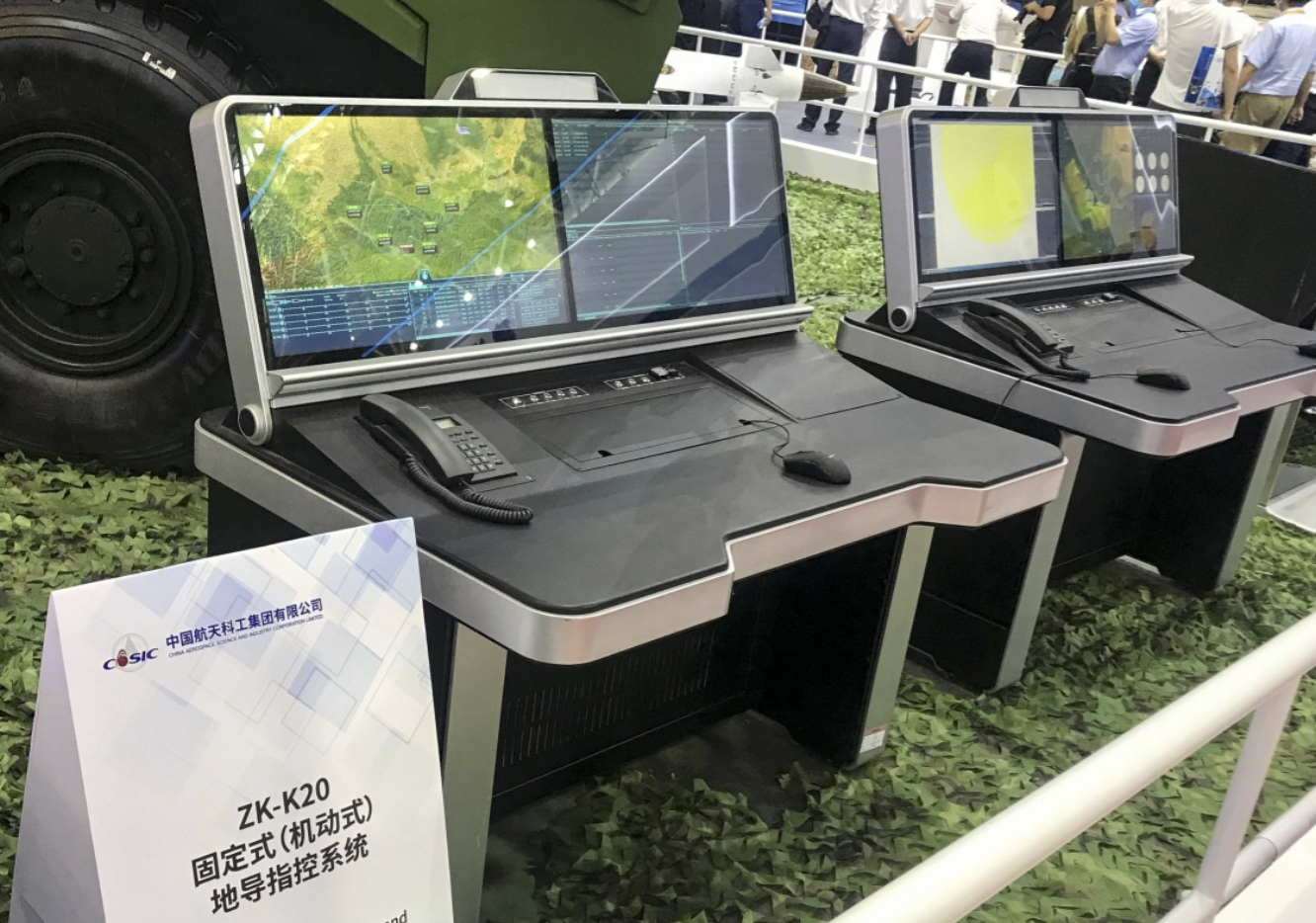
China is moving unmanned aircraft deeper into PLA formation operations, with recent training and procurement pointing toward a force structure built around shared sensing, coordinated tasking and dedicated control infrastructure.
A PLA Navy unit recently paired a special-mission aircraft with multiple UAVs during a maritime exercise, establishing a network that allowed battlefield data to move between the crewed aircraft, drones and a ground command centre.
The crewed platform provided broad-area warning while the UAVs extended coverage at lower altitude and closer range. The resulting arrangement created a layered reconnaissance picture rather than separate streams of aircraft activity. UAVs were able to receive information from the crewed aircraft as targets were detected.
The same week, PLA commentary framed mixed manned-unmanned formations as a new battlefield norm. Unmanned ground vehicles (UGVs), robotic systems and crewed forces were described operating together for forward detection, route opening and risk reduction.
Formation-level tasking has become a key priority, which was visible in the China Aviation Systems Engineering Research Institute's latest procurement notice. The announcement sought 4 UAV-formation ground command stations, each incorporating formation simulation software and a digital UAV model. The requirement signals dedicated infrastructure for training, planning and supervising larger groups of aircraft.
China is likely to put more weight on formation management as UAV numbers and platform types expand. Future exercises could test how these formations function when communications are degraded, tasks shift quickly and operators supervise several aircraft at once.
The ability to integrate distributed sensor data into a common operating picture is likely to become a core requirement for PLA unmanned-force development.


