


Top Headlines:
- The PLA is combining lasers, microwave weapons, interceptor drones, and guns in training, indicating that coordinating engagements and restoring coverage after relocation are key CUAS priorities.
- Naval teams are integrating clearance robots across air, land, and water, while a Xinjiang regiment has established an unmanned-equipment workshop. Both suggest a greater focus on translating operators’ experience into equipment and training changes.
- China’s low-altitude market is expanding into fleet software, leasing, and specialist operations, creating opportunities for suppliers that can sustain reliable services throughout a drone’s working life.
- Beijing is advancing international drone standards and proposing national requirements for microwave counter-drone equipment, likely giving suppliers with established testing and compliance capabilities an advantage in procurement.
- This brief examines 4 Chinese drone research studies and 2 patent applications covering navigation without satellite signals, small-target detection, fleet scheduling, and undersea data collection.
Chinese Military & Capability Developments
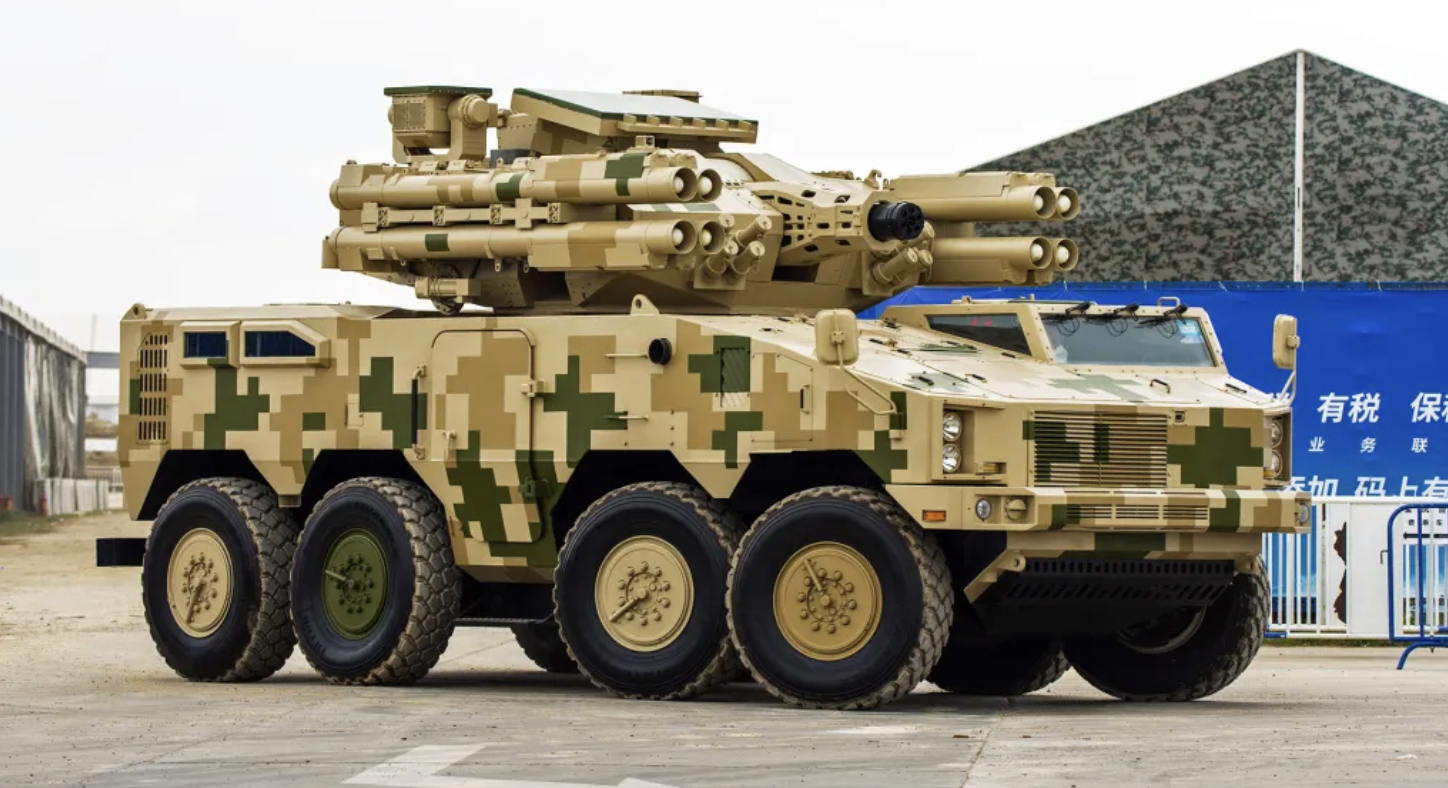
The PLA Tests How Its Counter-Drone Layers Hold Together
The PLA is putting more of its counter-drone equipment into the same engagement sequence. A 75th Group Army brigade used lasers and microwave systems against a low-flying swarm before interceptor drones and anti-aircraft guns engaged targets that penetrated the first layer.
The exercise continued into the night, but the more revealing moment came when controllers declared the defensive position exposed. Crews relocated, concealed their equipment, and rebuilt coverage, signaling that protecting the force now requires keeping its defenders alive after they reveal themselves.
The interval between abandoning one position and restoring coverage at the next is likely to become a demanding part of counter-drone training.
In combat, layering itself can create a coordination problem because operators must decide which targets warrant another engagement, as they keep friendly interceptors clear of gunfire and electromagnetic effects.
Additional weapons give commanders more options, but they also increase the consequences of a delayed handoff or duplicated engagement.


