Top Headlines:
- The PLA is bringing Air Force expertise and airborne sensing into shipboard defense decisions. Exercises exposed gaps in identification and information exchange, prompting changes that put officers from other services inside the planning and control process. The resulting advantage is likely to come from acting on a shared assessment sooner, especially when electronic interference disrupts the ship’s own picture.
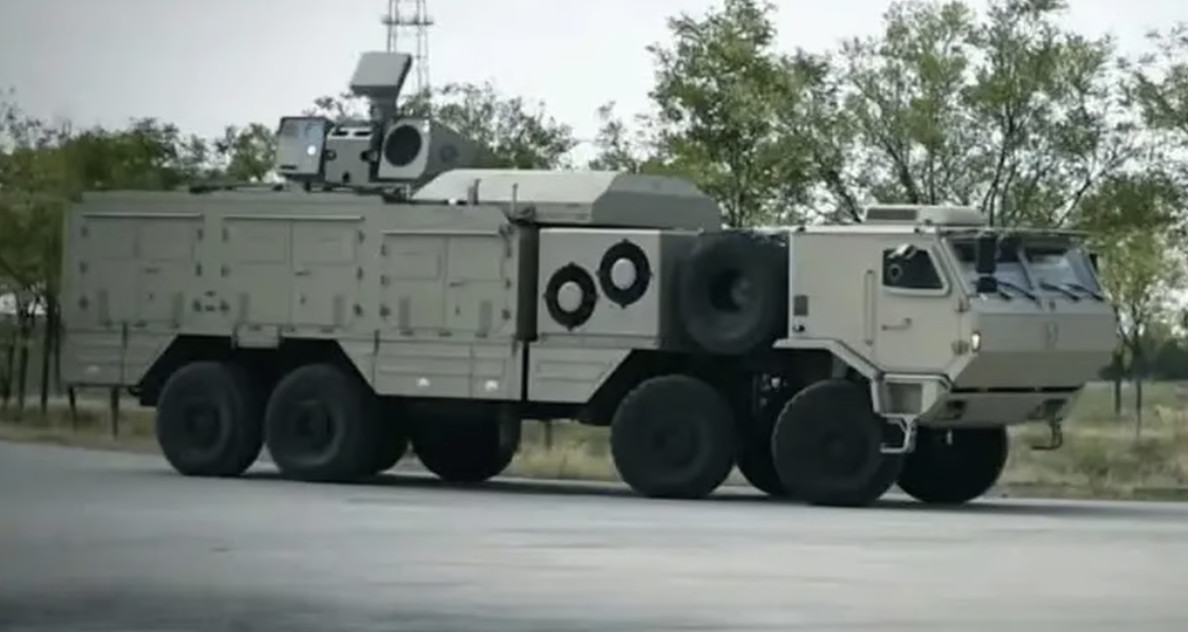
- Countering FPV drones and swarms requires defenses to address different failure modes. Fiber-optic control removes the radio link that conventional jamming targets, whereas massed attacks put pressure on tracking capacity and repeated engagements. China’s combination of guns, missiles and directed-energy weapons gives commanders different responses, but sustaining protection requires assigning those weapons without exhausting a single defensive layer.
- Chinese units are connecting drone development to problems encountered in training. Missed targets have prompted work on autonomous recognition and guided attack, while woodland exercises have linked airborne observation to remotely operated explosive disposal.
- Twenty-five Vietnamese trainees completed drone instruction in southwestern China, extending a relationship through practical agricultural and rescue skills. Training could help Chinese suppliers remain involved as those operators choose equipment and support arrangements, although the course itself establishes no aircraft sale.
- China’s operator consultation addresses specialized missions, including night, beyond-visual-line-of-sight and swarm operations. Meanwhile, local networks are connecting airborne detection to police response and surface cleanup.
Military Developments
Offboard Sensing Supports Ship Defense
The PLA is bringing airborne sensing directly into shipboard command to preserve defensive decisions when a ship’s own radar is disrupted. Aboard the destroyer Zibo, Air Force officers joined the planning and control team during an exercise involving repeated, multidirectional attacks. As electronic interference destabilized radar tracks, air officers combined airborne early-warning information with other sources to identify fast, low-flying drones, enabling the commander to adjust the defense.
Embedding air officers directly gives the ship access to both the information and the expertise needed to interpret it.
Because of direct participation, the assessment could reach the commander without first passing through separate reporting and redistribution chains. This is likely to preserve more time for assigning weapons when jamming delays the ship’s own detection, particularly against low-flying drones that leave a short engagement window.
Earlier joint exercises had exposed a 2nd problem: the services were planning their movements without adequately accounting for one another.
Air Force aircraft entered naval defensive fire windows and were judged shot down twice by friendly forces, while the Rocket Force struggled to provide timely guidance against moving maritime targets. The subsequent integration brought target tracks, electronic characteristics and threat assessments onto a shared display, alongside closer coordination of flight routes and defensive activity.
The principal improvement is likely to come from coordinating actions around the same evolving picture. Earlier warning gives a ship more useful reaction time only when the crew can identify the threat and align its response with nearby friendly activity.
Joint planning and embedded personnel address those decisions together, reducing the risk that a defensive adjustment protects the ship while disrupting another part of the force.
China is Prioritizing Layers of Counter-drone Tech
Note: Subscription is FREE!