


Welcome to this week’s Brief, our analysis of the most consequential developments in unmanned systems and drone warfare. Each week we track rapidly accelerating battlefield innovations, emerging doctrine, and the technologies reshaping how states and non-state actors deploy unmanned systems.
Have intelligence requirements, developments we should investigate, or perspectives to share? Contact us at info@dronesense.ai.

Deep Dive: Are We ‘Circling-Back’ to the Good Old Missiles?
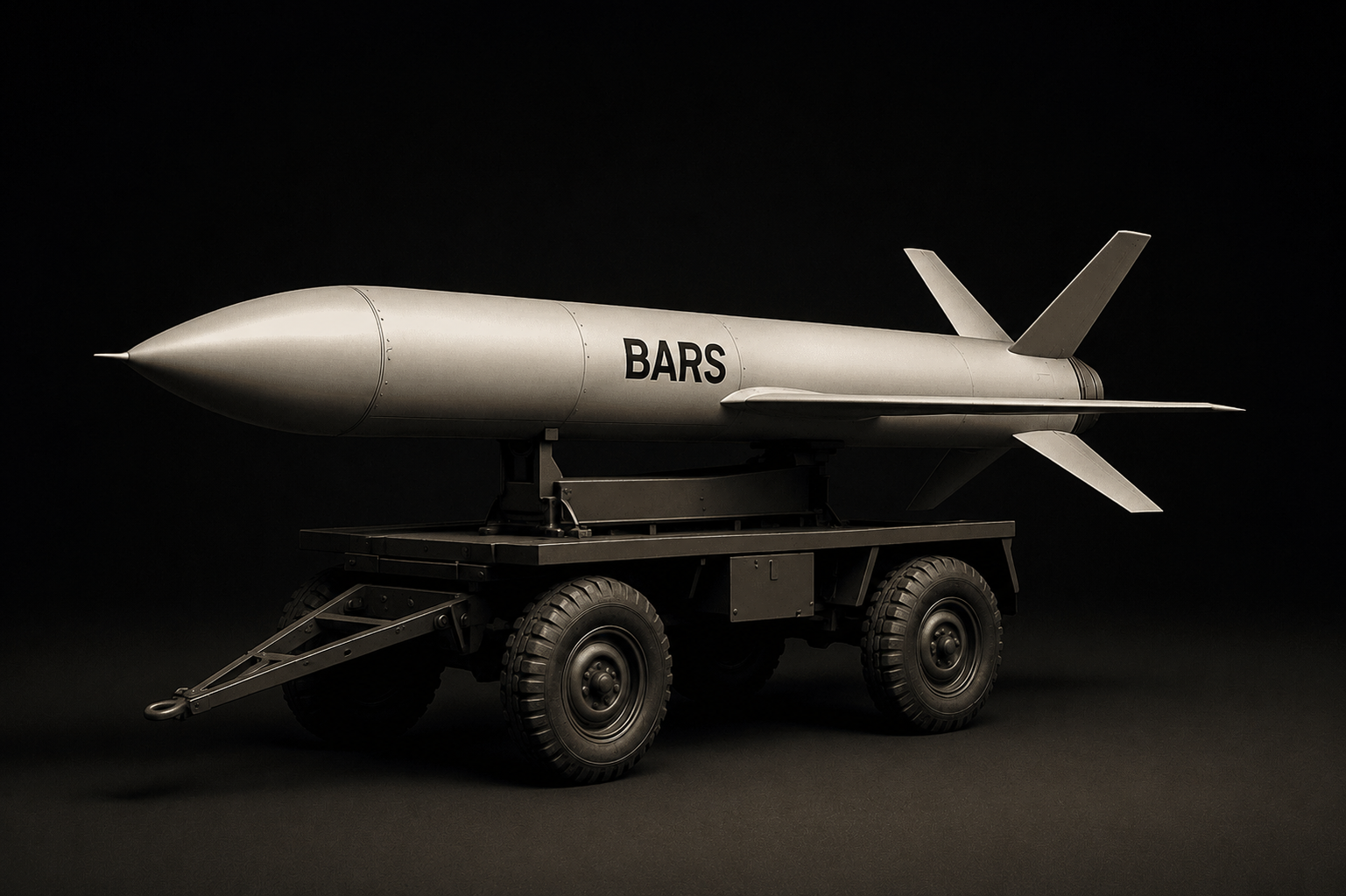
Drones ate missiles for breakfast in 2022. But now, missiles are back, having co-opted characteristics of a weapon that once almost dethroned it in a new yet familiar form: drone-missiles.
The shift starts with a problem Russia has created for itself. By May this year, Ukraine intercepted 92 % of first-gen Russian slow-moving drones, including Shahed, Gerbera, Italmas and other UAVs during large-scale attacks, even as tactical iterations compounded. The cost asymmetry was also controlled by fielding interception platforms, such as Sting costing $2,100 compared to roughly $25,000 for a Geran-2.
Calibration occurred, tables turned and the economics that once made the Shahed attractive now became harder to sustain. Slow drones started giving the defender more time to detect, pursue and engage them. Logically, to survive, Russia aimed to compress that very interception window. It introduced faster, albeit expensive drones (Geran-3, 4 & 5), inching a step closer to a familiar weapon class. The latest change in production priorities, with Moscow producing around 3,000 Geran-4 and Geran-5 jet-powered drones per month, while turbojet drones made up 50% of a recent Russian strike package, strongly indicates that Russia believes speed is indeed a decisive factor (for now).
This raises a question: is Russia deliberately creating a new sub-class of weapon, or is this simply where warfare converges once both sides reach parity in the previous generation? The Banderol, also known as the S8000, sits almost exactly between the two categories of drones and missiles. It is a small jet-powered loitering munition that combines characteristics of a cruise missile and an attack drone while remaining considerably cheaper and carrying a smaller warhead.
Ukraine has moved in the same direction with systems such as Palianytsia and Peklo, both of which Kyiv describes as “drone-missiles” or “rocket-drones”. Palianytsia, for example, uses a turbojet, reaches around 900 km/h and carries up to a 100 kg warhead over a reported 650 km range.
The convergence could become even more pronounced as Ukraine fields faster or jet interceptors. Ukrainian companies are already developing jet-powered systems to counter turbojet Gerans, while existing interceptor drones are being pushed toward higher speeds to keep pace with them. The next step could most likely become another cycle of adaptation: a faster interceptor forces a faster attack drone, which then demands a faster interceptor. But what’s next, and is there an end?
Technically, supersonic propulsion is possible through technologies such as ramjets, but the cost and complexity of sustaining those speeds would push the weapon closer toward conventional missile economics.
This is where the distinction between a drone and a missile becomes less useful. It is better to ask how much missile-like performance can be added before the weapon loses the production economics that made the drone attractive in the first place.
Turbojets, better guidance, larger warheads and higher speeds all increase manufacturing complexity. Ukraine is already facing shortages of miniature turbojet engines for its own long-range strike drones, showing how quickly propulsion can become an industrial constraint. A drone-missile therefore only makes sense if it can retain enough of the drone's production advantage while delivering enough of a missile's performance.
This could also explain why the slow drone is likely to remain useful. Russia's production plan still covers Geran-1 through Geran-5 alongside Garpiya and Gerbera variants, with an intended output of 11,000 systems in August. The slower systems can provide mass while faster variants compress the defender's reaction window. The future Russian strike package could therefore depend on different drones performing different economic functions rather than one system replacing another.
Russia is simultaneously increasing its reliance on ballistic missiles. During the latest barrage, Ukraine reported intercepting 147 of 170 drones and 39 of 44 cruise missiles, while ballistic missiles remained considerably harder to defeat amid shortages of Patriot interceptors. The pattern is indicative of a broader restructuring of the strike package: slow drones create volume, jet drones create speed, cruise missiles add precision and ballistic missiles force Ukraine to use its most scarce defenses.
The missile never truly left. It was absorbed into the drone, and the drone is now absorbing parts of the missile back.
The first drone revolution lowered the cost of delivering missile-like effects at scale. The next one could be about pushing missile-like performance into weapons cheap enough to produce by the thousands. The question for air defence is how long it can preserve the cost advantage of the interceptor before the attacker forces it back up the ladder.
China Watch: Gold Bars, New Maritime Defense Model & ‘Unmanned-Unmanned’ Teams at WRC26
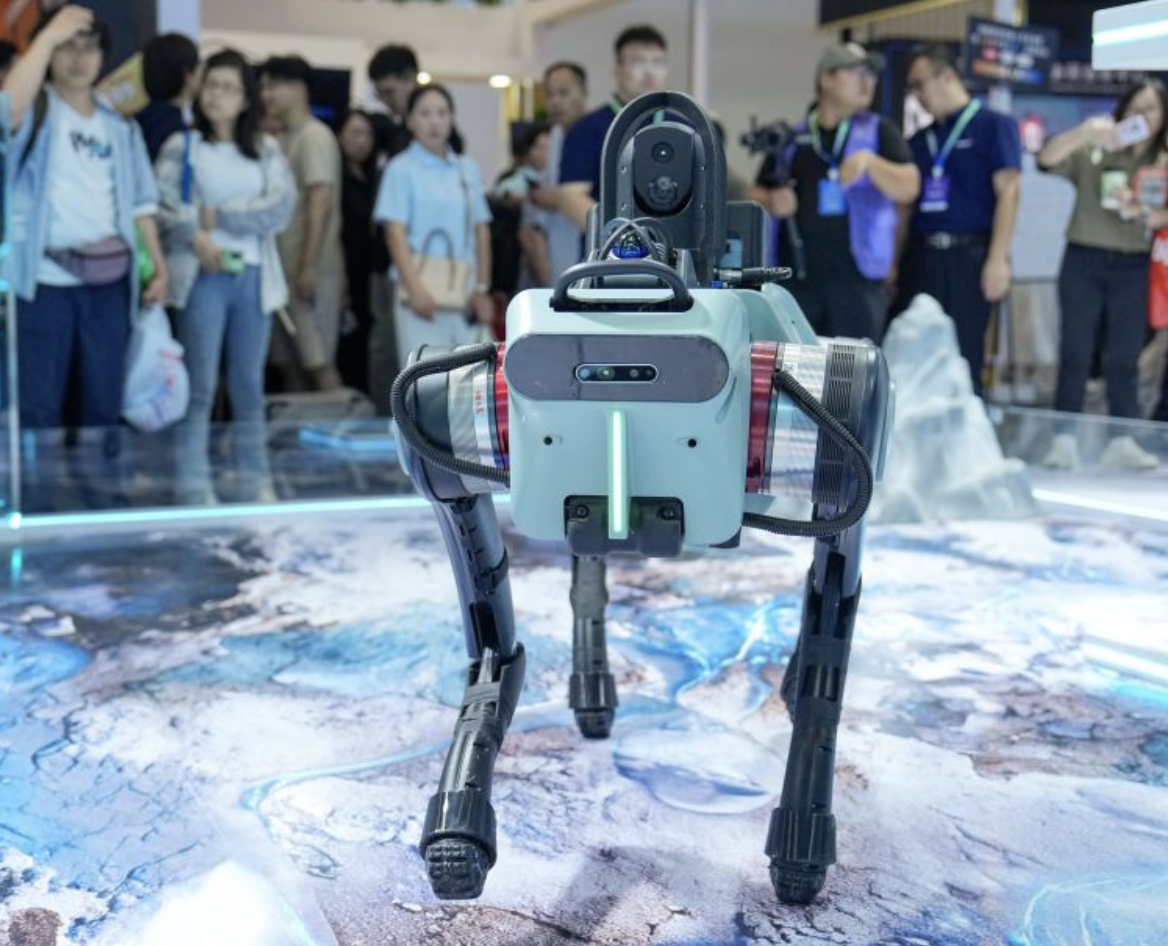
- The PLA Eastern Theatre Command has reportedly used a drone to deliver cases containing gold bars and bundles of US and New Taiwan dollar notes during an exercise focused on wartime financial support. The command is responsible for operations involving Taiwan and the East China Sea, making the scenario particularly notable in the context of a potential cross-Strait contingency.
- The specific use of New Taiwan dollars subtly signals how PLA units could provide usable currency to personnel operating in Taiwan if conventional banking systems became unavailable or inaccessible during a conflict. The US dollars and gold could also likely provide alternative stores of value if local financial infrastructure was disrupted.
- Chinese researchers have proposed a new model for defending contested islands and reefs in the South China Sea using coordinated networks of autonomous machines rather than relying primarily on human personnel. The concept was published in Command Control & Simulation, and proposed a system that would combine aerial drones, uncrewed surface vessels and underwater autonomous vehicles into a multi-layered defensive network.
- Each domain would address a different surveillance problem around an isolated outpost. This remains a proposed architecture, and not an operational deployment yet.
But it does show that Chinese researchers are thinking about island defense as a distributed unmanned system rather than a collection of individual platforms.
On Our Radar:
Berlin to Ho Chi Minh: Drone Risk Is Arriving Before the Low-Altitude Economy
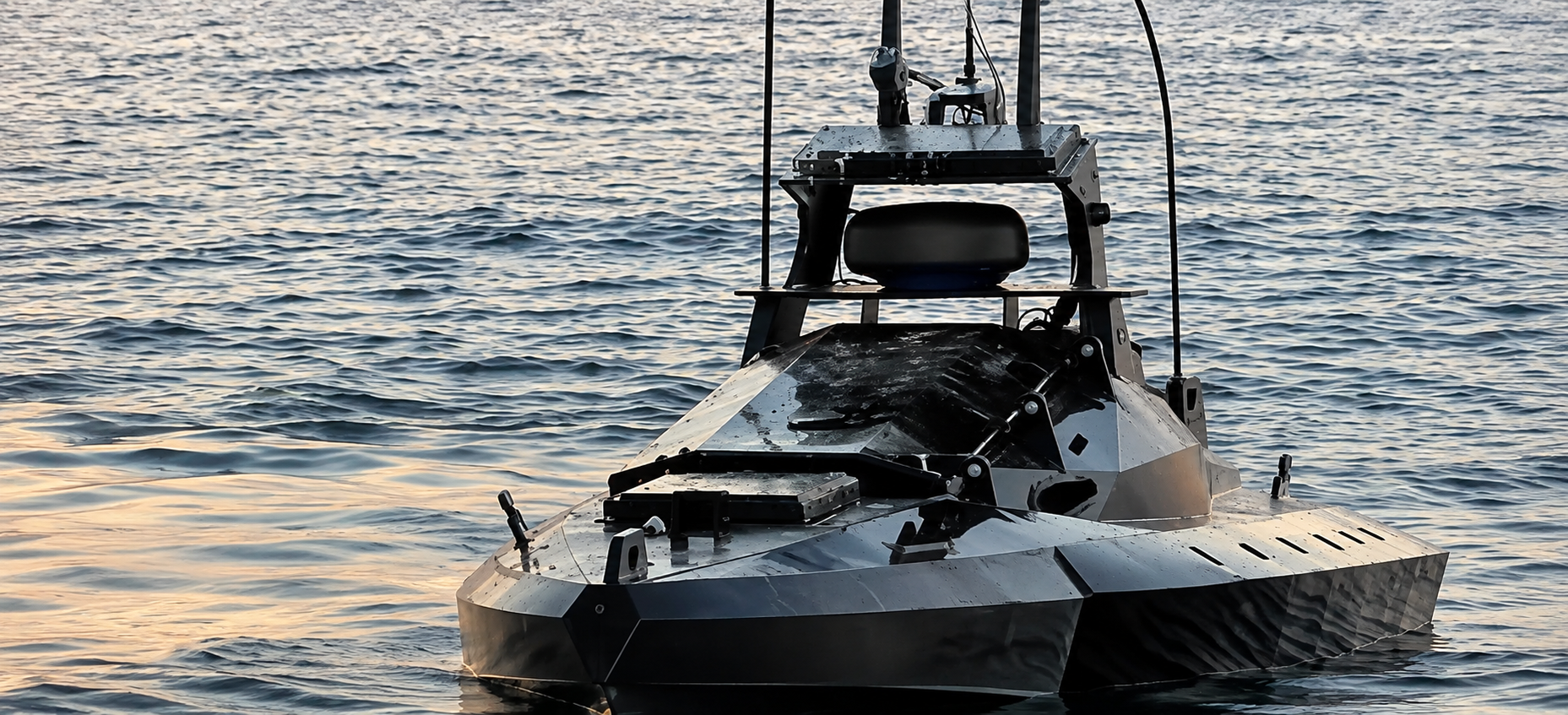
Drone incursions at Vietnam’s Tan Son Nhat airport have caused an estimated $2.3 million in losses, with one intrusion disrupting 56 flights and forcing diversions. Germany faced the same problem at much larger scale in 2025: 226 drone incidents were recorded nationwide, with 116 causing full or partial closures at 25 airports and estimated aviation-sector costs of €60 million, rising to as much as €160 million when delays, disrupted schedules and cancellations are included. This trend will likely become geography agnostic as more countries expand drone use before they have built the identification, enforcement and response systems needed to keep low-altitude airspace orderly. This could leave airports to absorb the cost of individual violations long before the wider low-altitude economy delivers its promised returns. (VnExpress) (DTiNews) (DLR)
Moscow Pushes ‘Test in Russia’ With North Korean Pilots
North Korea has sent a new contingent of 8,500 personnel to Russia, including 400 trained drone pilots. This bolsters Pyongyang’s efforts to expose its personnel to the most intensive drone war, while Moscow adds trained personnel to a mission set that is becoming increasingly demanding. The deployment also creates a direct pathway for battlefield lessons to feed back into North Korea, which has already received Russian assistance with drone technology and production know-how. The transfer also signals that Russia is offering a live test environment for North Korean drone manpower, allowing Pyongyang to identify which tactics and operator skills survive contact with the battlefield. Nothing in this exchange will likely remain siloed, including for the wider drone capabilities of the Russia-North Korea-China grouping in East Asia. (CNN) (ISW)
The Reaper Is Teaching the US to Build for Attrition
The U.S. Air Force is beginning its search for an MQ-9 successor that is cheaper, modular and designed to tolerate losses, after at least 45 Reapers were lost during the Iran war or 25% of the U.S. fleet. The service is also seeking Chinese-made DJI drones for C-UAS training at F.E. Warren Air Force Base, where crews will use the systems to practice detection, electronic warfare and defeat techniques against the radio signatures of a common commercial drone family. While the developments suggest the Air Force is carrying the attrition lesson into both procurement and training, the real test will be whether it can resist the muscle memory of reverting to expensive systems once the war ends. (National Defense Magazine) (The Washington Post) (Defence Blog)
Ukraine Prioritizes Long-Range Drone Production
Ukraine launched nearly 800 drones against Russia in mid-August, with the Moscow region among the main targets and damage reported at logistics and industrial sites near the capital. The campaign came as Ukrainian forces expand their use of long-range strike drones and begin employing British-made Nyan systems against targets inside Russia, adding another source of relatively low-cost long-range strike capacity to Kyiv's inventory. The tactical effect is to force Russia to defend a much larger rear area and protect logistics, industrial facilities and other critical sites that previously sat farther from the Ukrainian operational reach, making deeper and more frequent attacks increasingly likely as Kyiv builds inventory ahead of the winter campaign. (Yonhap News Agency) (The Guardian)
Romania & Saudi Arabia Attacks Surface the C-UAS Gap Between Threat Realities and Acquisition
Romania again scrambled F-16s to destroy an explosive-carrying marine drone detected only a few hundred metres from the Neptun Deep gas project, showing how a relatively small drone can force a fighter response around critical energy infrastructure. In parallel, the Houthis continue to target Saudi energy infrastructure while also adapting their drone stack: employing fiber-optic FPV drones for the first time, and hinting towards jet-powered drone use. The pace of change in theat vectors strongly signals that the problem for infrastructure operators is going to be more than acquiring a C-UAS system once. Keeping the defense matched to an attacker that can change its control architecture and employment methods will become tablestakes, making “buy and forget” increasingly dangerous around critical sites. (Reuters) (Yonhap News Agency) (ISW)
NATO Builds an AI Shield, But Still Needs the People Behind It
NATO is planning an Eastern Flank Deterrence initiative that would connect drones, sensors, satellites and AI-enabled systems across its eastern border, using autonomous flight and AI for routine surveillance and threat detection while keeping humans responsible for lethal decisions. The architecture can reduce the number of tasks that require constant human attention, but saturation, jamming and unexpected target behavior will still leave operators responsible for the decisions and last-second maneuvers that automated systems cannot reliably anticipate. Europe is beginning to build that human layer—the European Defence Agency has already run its first EU-wide advanced FPV strike and interception course—but the training base remains small compared with the depth of combat-proven drone expertise accumulated in Ukraine, making skilled pilot generation as important to the Eastern Flank concept as the AI and sensor network itself. (Heise) (European Defence Agency)
Hardware Innovations and Tactical Adaptations
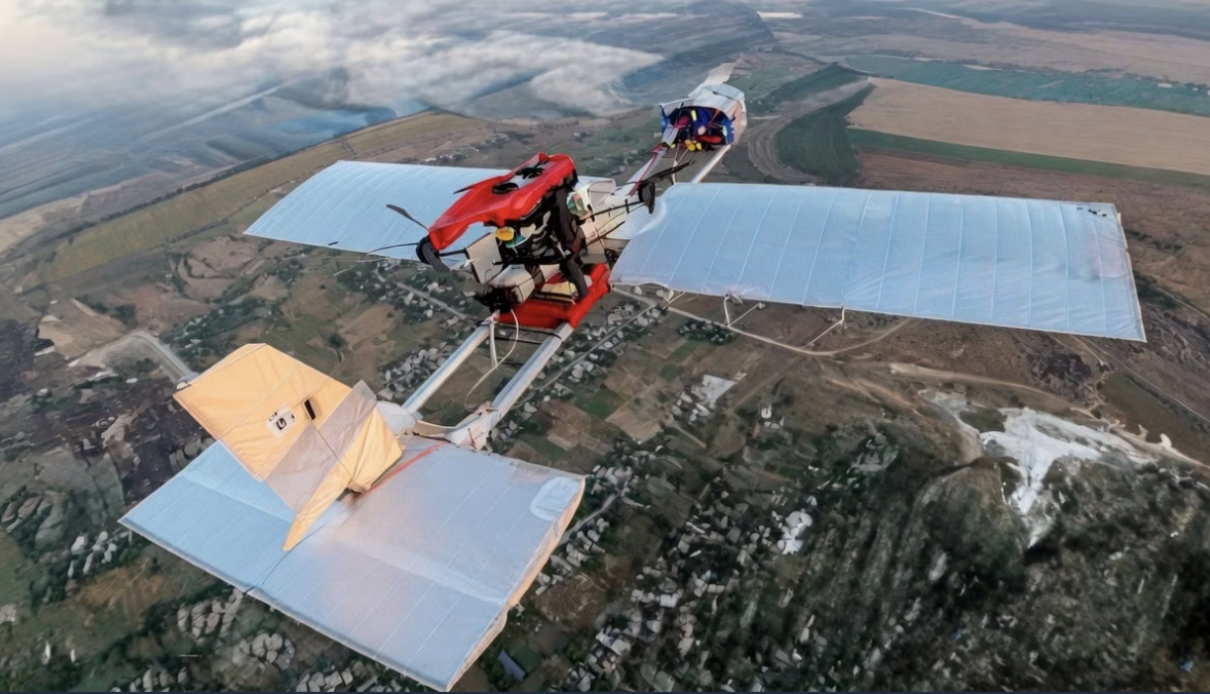
- FPVs on Molniya UAVs: Russia has ramped up mothership experiments on its cheap Molniya fixed-wing drones. Unlike previous configurations that placed FPV drones beneath the aircraft alongside other payloads designed for in-flight release, recent footage showed an FPV drone mounted on top of the fuselage. In this setup, Molniyas will likely transport the FPV drones closer to the intended target area, conserving their battery and extending the operational range. This shift in transit burden to a larger carrier can enable better maneuver and engagement missions.
- Enlarged Gerbera Drones: Russia is now deploying a new, bigger version of its Gerbera drones. The modified variant uses half of the 275 cm³ engine fitted to the Geran-2, providing a more powerful propulsion system than earlier Gerbera models. The upgraded power plant allows the drone to reach higher speeds while carrying either a warhead of up to 50 kg or an auxiliary fuel tank. This suggests the enlarged Gerbera could likely be adapted for either heavier strike payloads or extended-range missions.
- Onboard Optical Rangefinder: Russian forces have reportedly started fitting their Harpia strike UAV with an onboard rangefinder designed to measure target distance before triggering the remote warhead’s detonation. The technology uses a remote airburst explosion instead of impact fusing to increase the effective lethality radius around the target. While the official technical specifications, operating principles, and schedule for serial integration into production lines remain undisclosed, the direction suggests Russia is reducing friction for operators to secure hits.
What We're Reading
- TSA Pursues Dedicated Airport Counter-Drone Sensors: TSA plans to acquire Dedrone RF-560 fixed and mobile sensors for airport counter-UAS operations, moving federal airport security toward dedicated drone detection infrastructure as airports face a growing need to identify unauthorized aircraft in controlled airspace. (CUAS-Hub)
- Mexico Gains Access to US Army Drone Marketplace: Mexico's military can now procure UAS and counter-UAS systems through a U.S. Army defense marketplace, giving it a faster channel for acquiring American drone technology as its security forces confront increasingly sophisticated drone use by criminal groups. (DroneFront)
- US Air Force Seeks Drones That Mimic Stealth Jets: The Air Force wants target drones capable of replicating the performance and signatures of systems ranging from small UAVs to stealth fighters, pushing threat-replication toward cheaper and more scalable platforms that can better support testing against the range of aircraft and unmanned systems U.S. forces may face. (Military Times)
- Thailand Explores Local Production of LUCAS Attack Drones: Thailand is examining U.S. cooperation, technology transfer and possible domestic production of LUCAS one-way attack drones, suggesting Bangkok is looking beyond imported inventories toward a locally sustained source of affordable strike capacity. (Defence Security Asia)
- Myanmar Resistance Tests Unmanned Kamikaze Speedboats: The Mon State Defense Force has tested unmanned boats for maritime operations after developing them with locally sourced components and technical expertise, showing how groups with limited access to conventional systems can extend drone-enabled tactics from the air into contested waterways. (Burma News International)
- Dhaka Police Plans Drone Surveillance for Traffic Control: Dhaka Metropolitan Police plans to deploy drones over congestion-prone areas to provide real-time traffic information, extending the city's use of automated surveillance from fixed infrastructure into a more flexible airborne layer. (The Daily Star)
- South Korea's Drone Boom Reaches an Old Conflict: South Korea's expanding military-drone ecosystem is introducing low-cost unmanned systems into a peninsula where conventional artillery, missiles and aircraft have long dominated military planning, suggesting that attritable drones could increasingly become part of Seoul's response to North Korea. (Nikkei Asia)
- Mystery Drones Breach Australia's F-35 Base: Unidentified drones have repeatedly entered restricted airspace around RAAF Base Williamtown, home to Australia's F-35A fleet, highlighting how small unmanned aircraft can penetrate sensitive military airspace before authorities establish who is operating them. (MiGFlug)
- New Zealand Moves to Simplify Agricultural Drone Rules: New Zealand plans to simplify aviation rules for agricultural drone operations, reducing regulatory friction for lower-risk uses and potentially making unmanned aircraft easier to integrate into routine commercial farming. (OpenGovAsia)
- LATAM Uses Drones to Speed Aircraft Maintenance: LATAM Airlines is using drones to move maintenance materials between its warehouse and workshops in São Carlos, cutting delivery times from as much as 15 minutes to about 30 seconds and showing how drones can eliminate low-value movement from industrial logistics. (Aviation Week)


