


Welcome to this week’s Brief, our analysis of the most consequential developments in unmanned systems and drone warfare. Each week we track rapidly accelerating battlefield innovations, emerging doctrine, and the technologies reshaping how states and non-state actors deploy unmanned systems.
Have intelligence requirements, developments we should investigate, or perspectives to share? Contact us at info@dronesense.ai.

Deep Dive: Can Rubicon Drone Operators Save the Russian Shadow Fleet?
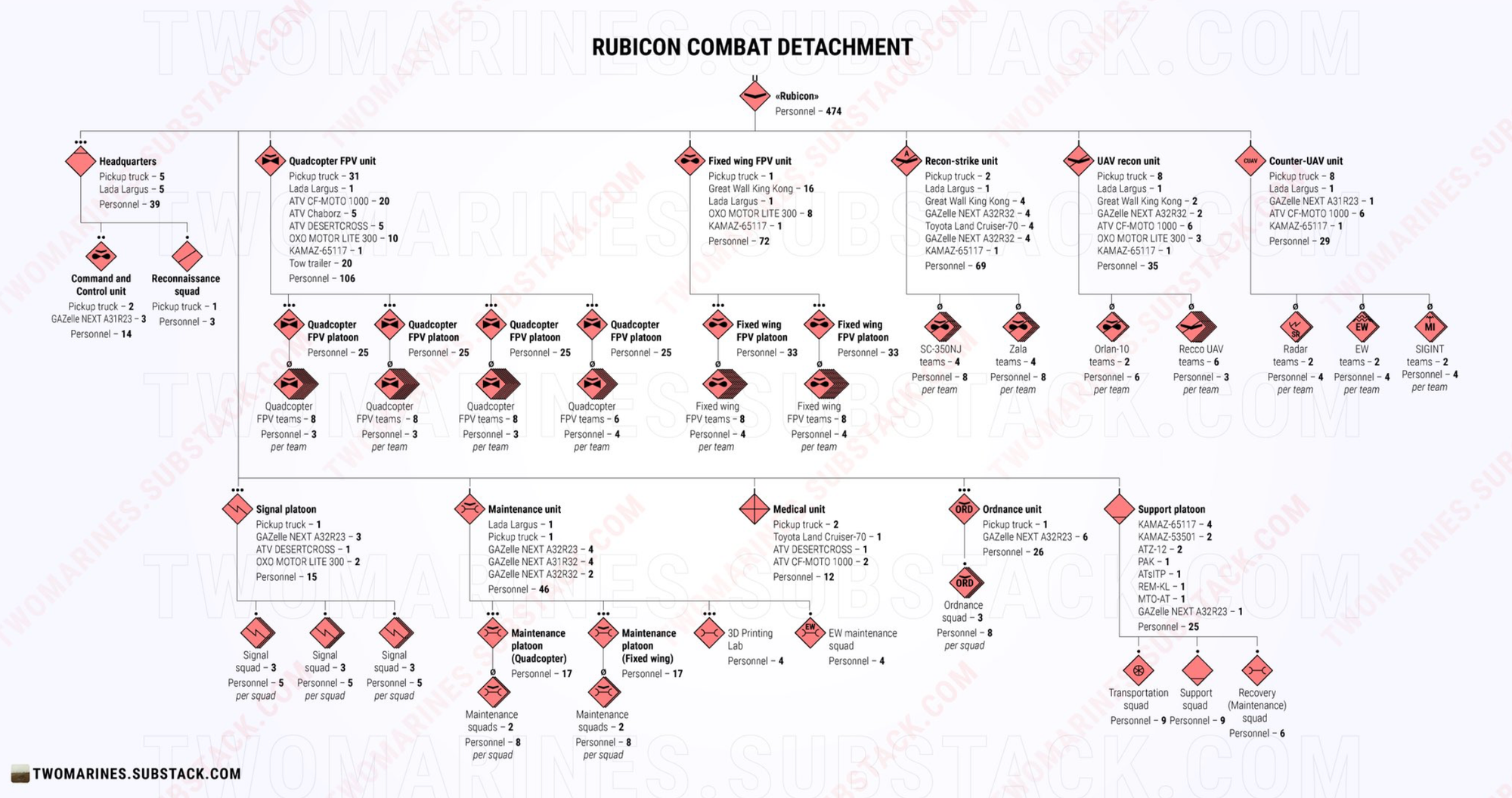
In just 13 days, Ukrainian drones struck 172 Russian ships across the Black Sea and the Sea of Azov, enforcing an area-denial strategy that continues to choke Russian logistics in Crimea. Moscow’s response? Bolting anti-drone systems on its ships and reassigning 200 soldiers from its Rubicon group, 51st Air Defense Division and the 1096th Anti-Aircraft Missile Regiment, to protect its fleets. Each vessel will now receive up to 3 servicemen armed with twin machine guns, MANPADS, and drones. But it is unlikely to stop Ukraine from striking.
There are several reasons why Ukraine can continue to dominate tactically. There is a clear mismatch between Rubicon's expertise and the requirements of the maritime domain. Rubicon’s reputation rests on short-range FPV strikes and radar-cued sensor-to-shooter chains, whereas defending high-value naval assets requires long-range ISR, target detection and classification, layered engagements, and coordination with shipboard sensors and weapons.
Ukraine's force structure already treats maritime drone combat as a specialized mission, assigning dedicated battalions to different vessel types. Russia's decision to deploy Rubicon instead suggests two things. First, it likely lacks a dedicated maritime drone unit comparable to Ukraine's. Second, tasking a generalist unit with developing maritime expertise will likely extend the learning curve.
Russia has clearly fallen behind Ukraine in integrating aerial and naval drones into coordinated maritime operations, largely because it has faced less pressure to develop such capabilities early on. Once Ukraine scales layered cross-domain drone attacks at sea, it will be quite difficult for a generalist force to keep up.
Then, there are passive anti-drone systems that reveal another mismatch between Russian defenses and Ukraine's maritime strike methods. Mesh nets and metal cages offer limited protection for large vessels because they leave exploitable gaps against maneuvering FPVs. But the larger issue is that these systems are designed for a threat Ukraine has largely not used against Russian ships. So far, they have relied on larger unmanned platforms rather than small FPVs to hit ships.
Either way, passive systems should not serve as a ship’s primary defense layer, as seen on several Russian vessels. They are reactive and can be bypassed through simple tactical adaptations such as double-tap attacks. Even drones that might be stopped by them can cause secondary damage through debris, effectively damaging the ship.
Ukraine’s targeting logic also makes it difficult for Russia to protect its oil-carrying shadow fleet. Ukrainian commanders have indicated that the objective is to disable vessels rather than sink them, targeting steering systems, navigation, and communications instead of the hull. The aim is to create enough damage to leave ships operationally stranded, forcing repairs or assistance and making transit through contested areas increasingly risky.
In effect, Ukraine is likely building ‘maritime kill-zone’ where vessels remain vulnerable even without being physically destroyed. The Houthis applied a similar logic in the Red Sea in 2023, using limited strikes to generate fear, uncertainty, and disruption among commercial operators rather than consistently pursuing complete vessel destruction.
The scale math does not favor Russia either. The pool of skilled drone operators is far smaller than the demand across the frontline. Distributing roughly 200 soldiers across a fleet numbering in the hundreds, spread across two maritime theaters, will likely leave gaps in coverage. These operators are also being diverted from other missions, where Ukraine can choose to apply pressure.
In other words, every drone team assigned to protect a tanker is one fewer team available to degrade Ukrainian positions on land, a trade-off Moscow may be accepting faster than it can sustain.
China Watch: Lethal Exports, Product Testing & New Technologies
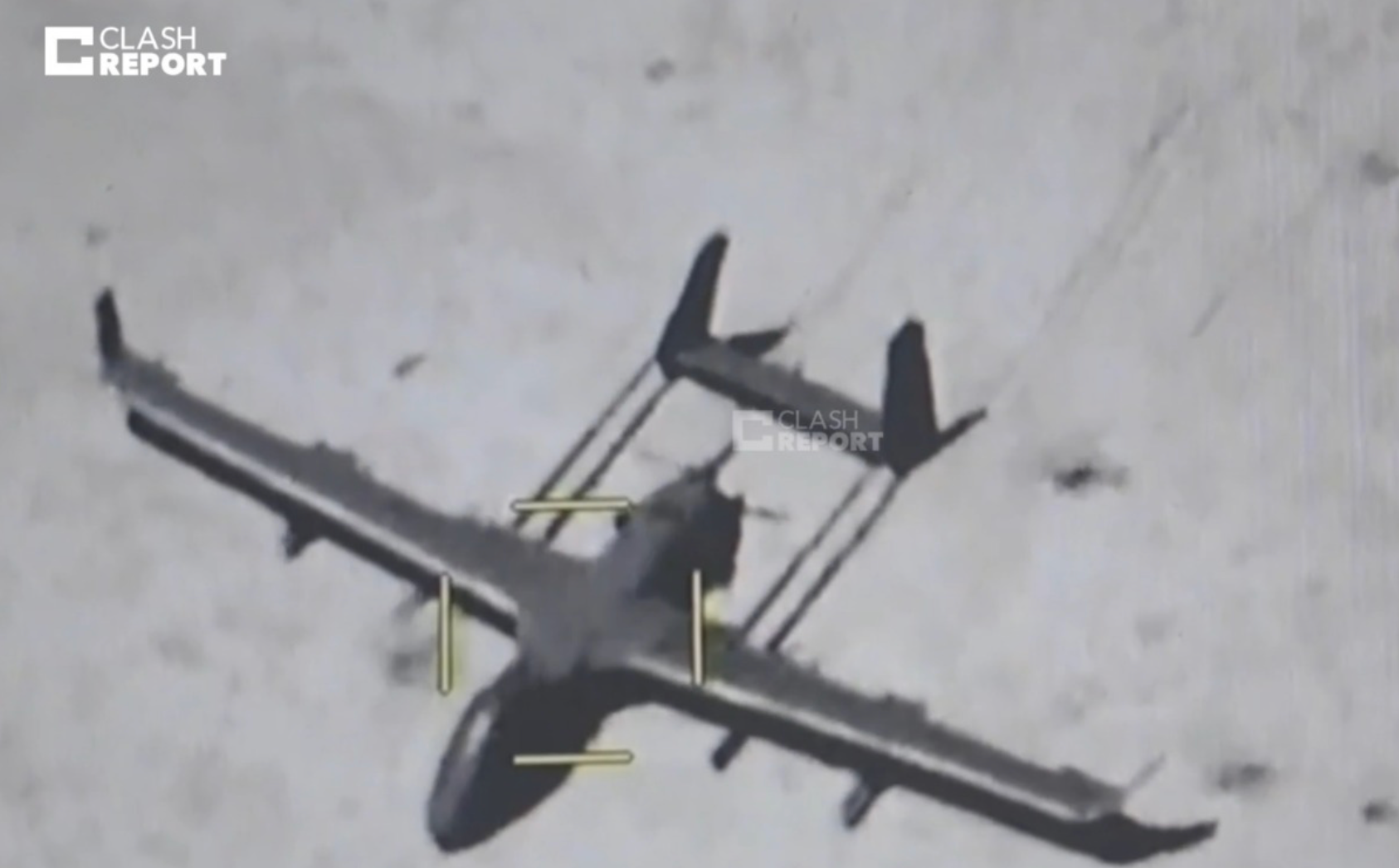
- Satellite imagery shows the Chinese BZK-005E MALE drone deployed at Nyala Airport, which is controlled by Sudan’s Rapid Support Forces (RSF). The platform’s ‘E’ variant is designed specifically for export, with a range of 2,400 km. It can carry up to 370 kg, including missiles, giving it strike or self-defense capability. The platform is also equipped with electronic intelligence (ELINT) equipment, with electro-optical and synthetic aperture radar payloads.
- In parallel, the Sudanese Army successfully shot down 2 Chinese CH-95 drones operated by RSF using Turkish Bayraktar AKINCI drones equipped with air-to-air missiles. The downing suggests a tactical shift wherein AKINCI drones are used less as ground-strike platforms and more as improvised interceptors.
- Several Chinese Facebook pages have been observed marketing combat-grade AI drone interceptors and dual-use drone technologies, with most operating from Hong Kong. It is unlikely that these sellers are complying with China’s recent Export Control Law and 2026 dual-use export regulations. The online product catalogues are quickly mirroring innovations seen on active combat zones, particularly in Ukraine.
On Our Radar:
US Drone Boats Sink an Iranian Submarine, and Reprice Naval Warfare in the Process
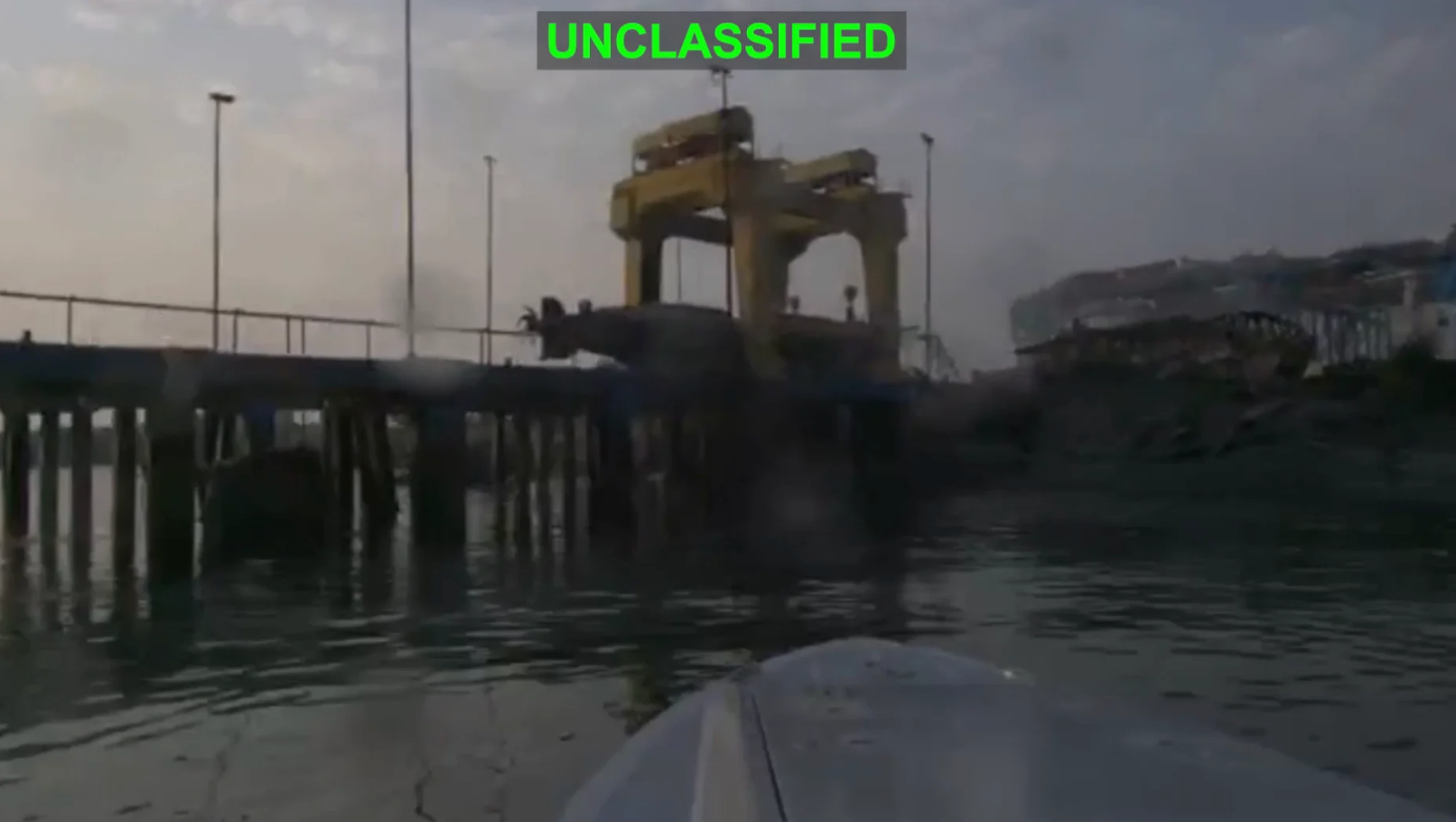
On July 12, CENTCOM used three Saronic Corsair unmanned surface vessels, 24-foot autonomous boats carrying a 1,000-pound payload over a 1,000-nautical-mile range, to strike a submarine and ship maintenance facility at Bandar Abbas Naval Base, destroying a Ghadir-class midget submarine on its gantry in the first combat use of armed sea drones by U.S. forces. The Navy Times reported the same week that the Navy is now urgently seeking prototype technologies to protect its own ballistic missile submarines from drone and anti-tank rocket attacks during port stays and surface transits, a vulnerability the Bandar Abbas footage made impossible to ignore. Cheap autonomous platforms are repricing naval warfare in both directions, and the same cheapness that makes the Corsair strategically decisive lowers the barrier to entry for every actor watching. (Breaking Defense) (USNI News) (CBS News) (WSJ) (Navy Times) (Vector News)
Iran Extends Drone Strikes Across the Gulf Theater
Iran's IRGC launched coordinated Arash drone and ballistic missile strikes on U.S. military facilities in Kuwait, Jordan, and Bahrain following the collapse of the June ceasefire, targeting ammunition stores and communication assets at Ali Al Salem Air Base, triggering fires at a Kuwaiti power generation and desalination plant, and forcing the suspension of Kuwait International Airport. Jordan intercepted ten ballistic missiles and four drones; the IRGC separately claimed to have destroyed two U.S. fighter aircraft at Al-Azraq Base. (Anadolu Agency) (Jerusalem Post) (Al Jazeera)
Germany Funds 50,000 Strike Drones for Ukraine
Germany is financing a €90 million contract with Swiss manufacturer Auterion for 50,000 Shrike FPV strike drones for Ukraine, roughly €1,800 per unit and one of the largest single drone purchases by a Western government since 2022, codifying attrition economics as the dominant procurement logic for European drone aid. The deal arrives the same week Helsing closed a $1.8 billion Series E at an $18 billion valuation, Europe's largest-ever defense startup round, and appointed former Ukrainian diplomat Andriy Shevchenko as Managing Director for Ukraine, deepening its operational footprint in the country it already supplies with AI-enabled strike drones. The pairing is not coincidental: Europe is betting on mass production and AI-enabled autonomy in the same budget cycle, treating them as complementary rather than competing priorities. (Reuters) (Defense News)
AI Drones Compress Russian Survival Windows to Minutes
CIA Director John Ratcliffe has stated that Ukrainian AI-enabled attack drones have reduced the effective battlefield survival window for Russian soldiers to 20 to 30 minutes, closing the loop between detection and engagement at a speed human-operated systems cannot match. The figure functions as a public benchmark that peer competitors and defense planners will now use to calibrate their own autonomous systems programs, and it validates the investment thesis behind DIU's Massed Modular Aircraft request and the broader attritable mass doctrine now being institutionalized across the U.S. services. A number attached to a CIA director's name travels far. (Bloomberg)
Consolidations Signal a Maturing Drone Market
The drone industry is attracting the kind of capital and M&A activity that marks a market moving from early growth into industrial scale. Ondas finalized its $875.8 million acquisition of DYZNE Technologies, capping an eight-company acquisition spree with a platform that spans long-endurance ISR, mid-altitude, strike drones, and interceptors. UAE's EDGE Group, pursuing the same logic internationally, agreed to acquire a 100% stake in Brazil's Grupo Akaer, its third Brazilian deal since 2023, adding UAV, optronics, and space technology capabilities. The demand side appears to be keeping pace: Echodyne CEO Eben Frankenberg told Defense News the C-UAS radar market is "red hot," with demand for the firm's compact metamaterials panels potentially growing tenfold to hundreds of thousands of units by 2030, a trajectory that has already led the company to pull its entire 2027 manufacturing expansion forward to this year. (Breaking Defense) (Janes) (Defense News)
Hardware Innovations and Tactical Adaptations
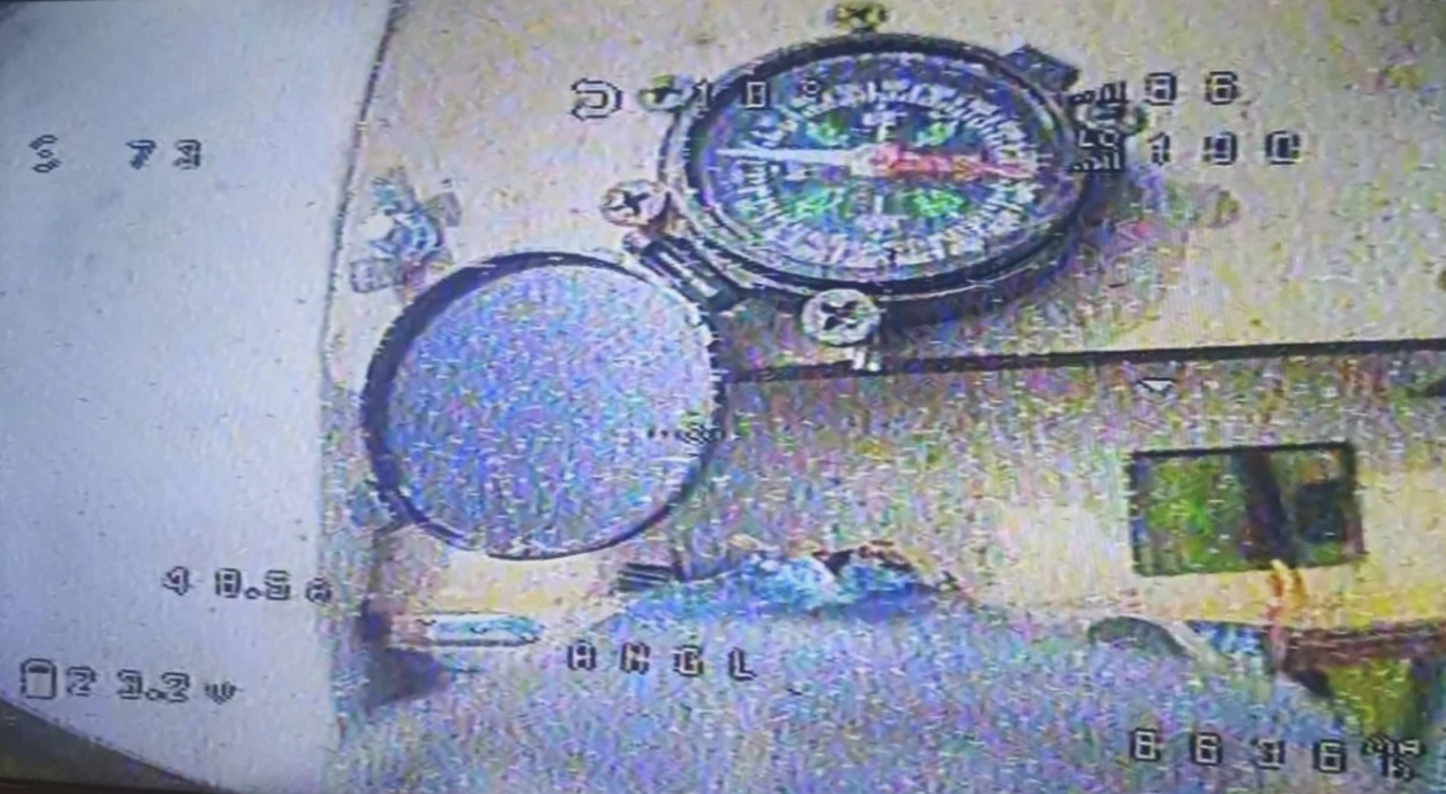
- $2 Compass Backup: Russia has started equipping its Molniya attack drones with a simple $2 magnetic compass to function as a backup navigation system. An onboard camera periodically reads the compass, enabling the drone to hold its course when satellite navigation signals are jammed or unavailable. The innovation reinforces the Molniya family's focus on low-cost, attritable drones for high-volume strikes. A magnetic compass requires no external radio signals, making it inherently resistant to radio-frequency jamming, and reducing the effectiveness of Ukraine’s EW countermeasures.
- Seeker UAVs: Russia has begun deploying a new ‘seeker’ module package across its one-way attack drones. The package comprises several cameras, a mesh radio modem, a Raspberry Pi-based computer, and machine vision software - keeping costs low for the functional upgrade. The configuration introduces terminal-stage autonomy, allowing the drone to complete attacks in EW-jammed environments. After reaching a designated search area, the drone streams live video for the operator to identify and lock the target. The onboard system then tracks the target and executes the final attack, with no indication that it independently selects targets.
- Drone Ports: Russia is actively developing dedicated ‘drone ports’ to launch strike UAVs against Ukraine. Verified satellite imagery showed that 11 such ports have been installed so far at a base in the Oryol region, with 29 new warehouses with a holding capacity of 750 drones. The development suggests Russia aims to increase attack volume, but on-ground stationary launchers remain vulnerable to drone attacks despite optimal EW and hard protection defenses.
What We're Reading
- São Paulo Launches World's First Citywide Drone Detection as a Service Network: Ôguen Tecnologias and R2 Wireless are deploying a subscription-based RF detection network across São Paulo, setting an urban airspace governance precedent. (Drone Life)
- Indonesia Military Establishes Drone Command Centre for Operations in Papua: Placing a Centralized Drone Command Center under Joint Regional Defence Command III formalizes drone surveillance and targeting as a permanent instrument of Indonesia's internal security posture. (Jubi)
- Malaysia Aims to Turn Drone Sector into RM50.7 Billion Industry by 2030 Under New Action Plan: MDTAP30's explicit goal of transitioning Malaysia from a drone user to a drone developer reflects a regional pattern in which Southeast Asian governments are treating domestic UAV production capacity as a strategic asset rather than a procurement line item. (The Star)
- Saudi Arabia Buys Taiwanese Drones for $47 Million: Saudi Arabia's $47.2 million single-month purchase of 3,260 Taiwanese UAVs, the largest in Taiwan's export history, signals that Gulf states are diversifying drone supply chains away from Chinese manufacturers at the same moment Taiwan is positioning its nascent industry as the non-PRC alternative. (Bloomberg)
- FSB Thwarts Ukrainian Sabotage via AI Drones: Russia's seizure of 13 AI-equipped FPV drones pre-positioned via balloons and trailers near a Moscow-region defense enterprise reveals that Ukraine has extended its drone doctrine from front-line attrition into covert deep-strike operations against the Russian defense industrial base. (Reuters)
- Ukraine's Robots Are Carrying the Heavy Century-Old M2 Browning Machine Gun into Battle So Troops Don't Have To: Mounting the M2 on uncrewed ground vehicles removes its primary operational constraint — its 84-pound weight — demonstrating that the limiting factor in legacy weapons integration is no longer the weapon but the soldier required to carry it. (Business Insider)
- Ukraine to Buy Chinese Drone Parts with EU Funds: The EU's authorization for Ukraine to spend European defense money on Chinese drone components acknowledges that European industrial capacity cannot supply Ukraine's consumption rate, setting a precedent that subordinates supply chain ideology to battlefield necessity. (Financial Times)
- Ukraine Launched a First-of-Its-Kind Robotic Amphibious Assault, Deploying a Gun-Toting Robot from a Drone Boat: Ukraine's 123rd Brigade using a naval drone to deliver an armed ground robot to the Kinburn Spit is the first documented multi-domain autonomous assault in which no human entered the engagement zone, establishing a new template for contested littoral infiltration. (Business Insider)
- DIU Seeks Cheaper Drones to Carry Out Reaper Missions: The Massed Modular Aircraft notice, calling for a sub-$30 million drone designed "with the expectation that some will be lost in combat," is the institutional acknowledgment that the MQ-9's unit cost and the loss of nearly 30 airframes in the Iran war have made high-value ISR and strike drones structurally unaffordable at modern attrition rates. (Breaking Defense)
- Auterion, Ukrainian Drone-Maker Skyfall to Supply 50,000 FPVs: The contract under Germany's €90 million commitment puts Auterion on track to supply 100,000 drones to Ukraine in a single year, operationalizing mass production at a scale that makes individual platform performance secondary to throughput. (Breaking Defense)
- How to Hide from Killer Drones: Russian military vehicles adopting vivid black-and-white striped patterns to confuse machine-vision targeting systems rather than human observers marks the first large-scale adaptation of camouflage doctrine to defeat AI. (The Economist)


